
- Set-up
- About 10 min
- Reading
- Some
The quick verdict
Full verdict ↓Great for Players who like planning a few moves ahead and racing rivals for the same spaces
Think twice if You want a quick party game; a full game runs 60 to 90 minutes
How we rate it
Learning curve. One main action a turn, but moving workers along rows and columns, matching worker counts to merchants, elephants, alliances and a market that changes after every build put it with Catan at 3. The publisher calls it light-medium.
Luck & skill. Which merchant cards replace built sections, which Level tiles and Bakshish cards come out, and your starting cards add some luck; planning routes and timing your builds decide most games.
Interaction. No attacks, but plenty of blocking: workers can't share a space, the first builder of a level takes the best points, and each build changes the bazaar for everyone.
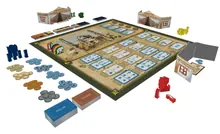
Set-up. Lay out the board, stack the Taj tiles by level, draw a Level tile for each level, stack the Taj point tokens, lay out the bazaar cards to match the icons on the board, sort the resources and coins, and deal starting resources and a secret Blueprint to each player.
Reading. Alliance and Bakshish cards have short English rules text; most other components use icons.
Learning curve: 1 = UNO or Connect 4; 3 = Catan; 5 = a heavy strategy game. These describe the experience, not an overall score.
Is Karigar-e-Taj right for you?
Great if
- Players who like planning a few moves ahead and racing rivals for the same spaces
- Couples and pairs, since it began as a two-player design, or solo players using the Ustad cards
- Anyone who wants an Indian heritage theme that is about building, not battles
- A step up for families who have played Splendor, Jaipur or Century: Spice Road
Skip it if
- You want a quick party game; a full game runs 60 to 90 minutes
- Your group has younger children; the listing says 14+ and planning worker moves takes patience
- You dislike being blocked: a rival can take the bazaar space or Taj section you were aiming for
How Karigar-e-Taj plays
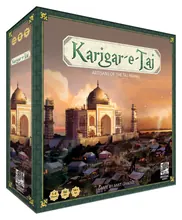
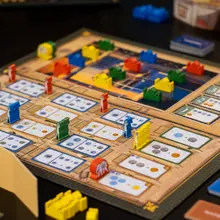
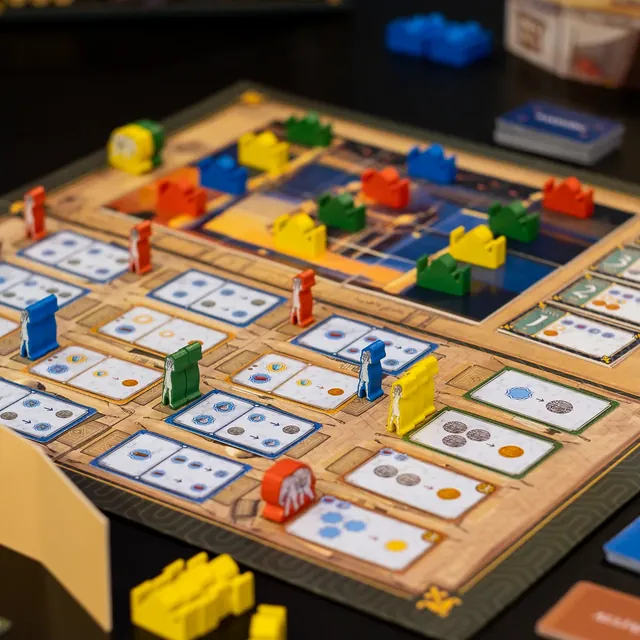
The board shows the Taj Mahal as a grid of 12 sections, three on each of four levels, above a bazaar of merchant cards. A random Level tile for each level shows what each section costs: basic materials like Abini wood, red sandstone, lime mortar and scaffolding, and on higher levels precious Makrana marble and gems. Each player gets a screen to hide their goods behind, workers, a starting resource card and a secret Blueprint card showing which sections they would like to build.
- Time to teach: about 15 minutes.
- Reading and language: Everything is in English. Alliance and Bakshish cards carry short rules text, and the resource names (Abini wood, lime mortar, mohurs) are explained in the rulebook. Building costs and bazaar spaces use pictures, so once one person knows the cards, mixed-language groups manage fine.
How to Play | KARIGAR-E-TAJ | Artisans of the Taj Mahal · DICE TOY LABS · Official
Choose a video · Watch right here
If this creator doesn’t allow embedded playback, watch on YouTube ↗.
A turn, step by step
- 1Move
Move all your workers in straight lines through the bazaar, then collect or exchange goods where they land. Each worker carries one item.
- 2Build
As a free action, pay a section's cost to place a Taj tile, take its Taj points and draw a Bakshish card from the emperor.
- 3Shift
The merchant linked to that section is replaced, so the bazaar changes. Each level must be finished before the next one starts.
- 4Win
The game ends as soon as the last section is built; the most Taj points from tokens, cards and your secret blueprint wins.
The full explanation: how a game of Karigar-e-Taj goes
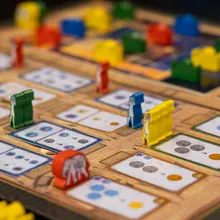
On your turn you either move your workers or use an Alliance card's power. Workers move in straight lines along a row or column of the bazaar, never diagonally and never onto a space another player holds. Each worker carries one item, so where they land decides what you collect or exchange: blue merchants give basic materials, yellow merchants give precious ones but need at least two workers, and trading spaces turn goods into silver and gold mohurs. Workers can also buy Alliance cards, special vendors with a power and end-game points.
When you have what a section costs, building it is a free action: pay the goods, place a Taj tile with your marker and take the top Taj point token, so earlier builders score more. You also draw a Bakshish card, the emperor's gift, or two if you finish a level. The merchant card linked to that section is replaced, so the bazaar keeps shifting. Finishing level 1 lets players hire an elephant that carries any amount, and finishing level 2 gives everyone a third worker.
The game ends the moment the last section is built. Add up Taj point tokens, Bakshish and Alliance card points and your Blueprint bonus; the most points wins, with ties going to whoever built more sections. To play solo, or to fill out a small table, the Ustad cards run one or two automated rivals who reserve bazaar cards and build according to their own blueprint.
The history is handled lightly. Shah Jahan commissioned the Taj Mahal in 1631 after Mumtaz Mahal's death, and the complex took about two decades and more than 20,000 workers and artisans; the game turns that into a race of 12 tiles, and the rulebook adds short notes on the real materials, such as white marble from Makrana in Rajasthan and lime mortar mixed with ingredients like molasses, curd and urad dal.
What's in the box
- 1Game board
Taj Mahal grid (4 levels of 3 sections) and bazaar grid - 12Taj tiles
- 16Level tiles
one is drawn for each level to set the building costs - 24Bazaar cards
- 9Alliance cards
- 2Trade cards
- 8Starting Resource cards
- 9Blueprint cards
secret objectives - 34Bakshish cards
- 32Ustad cards
two decks of 16 for automated rivals and solo play - 12Worker meeples
3 per player - 4Elephant meeples
- 32Taj markers
8 per player - 80Basic resources
- 30Special (precious) resources
- 40Silver mohurs
- 20Gold mohurs
- 12Taj point tokens
- 4Player screens
- 1First player marker
- 1Rulebook
English
From the components list in the rulebook text published on a rules site; the maker's own page gives no contents list. The Kickstarter base-edition graphic from 2021 showed prototype counts (16 workers, 2 elephants) that changed before printing. Kickstarter backers may also have received extras such as laser-cut resource trays.
Where to buy
How to make sure you get a genuine copyEditions and the details worth checking.
What reviewers and players say
Karigar-e-Taj had more attention before release than since. In 2021 Rahdo and Ruel put it at number 3 in their top 10 Kickstarter games for October, and Mojo Nation interviewed its designer about four years of development. Since then the main independent coverage is a short review and an unboxing by YouTuber eVanDiesel; we found no written review. Going by that coverage and the rules, the appeal is a thoughtful worker-movement puzzle with a heritage theme that isn't about war; the catches are a 60 to 90 minute play time and some text-heavy cards for younger players.
What people love
- A building game with an Indian heritage theme rather than another war game
- Moving workers along rows and columns makes the bazaar a puzzle, not just a choice of spaces
- The market changes after every build, so plans have to adapt
- Solo play and automated rivals come in the box
Common complaints
- Takes 60 to 90 minutes, which is long for casual family evenings
- Being blocked from the space or section you wanted can sting
- Few reviews and no rules PDF from the publisher, so check the rules carefully on a first play
7 research sources
- Video Karigar-e-Taj - Evan Shows You A Game... Episode 23 (eVanDiesel, March 2026) · YouTube
- Video Top 10 Kickstarter Games (October 2021) | The R&R Show #9 (Rahdo and Ruel, September 2021; Karigar-e-Taj at 50:44) · Rahdo Runs Through (YouTube)
- Reference Designer Amit Ghadge on India's thriving board game scene - and the four-year development process behind Karigar-e-Taj (Billy Langsworthy, November 2021) · Mojo Nation
- Reference Karigar-e-Taj (Curious + Chill Unboxings Episode 95) (eVanDiesel, September 2024) · YouTube
- Reference Karigar-e-Taj: Artisans of the Taj Mahal (Kickstarter campaign, November 2021) · Kickstarter
- Reference Karigar-e-Taj rulebook (rules site, read October 2026) · RulesPal
- Reference Karigar-e-Taj (Indian store listing, read October 2026) · Gameistry
Summarised in our own words from the sources above. We don't use Amazon reviews or ratings.
More like Karigar-e-Taj
Which game is the best fit?
Our picks if Karigar-e-Taj isn't quite right.
Swipe to compare every game
| Compare the games.The details that make a difference. |
YOU’RE VIEWING
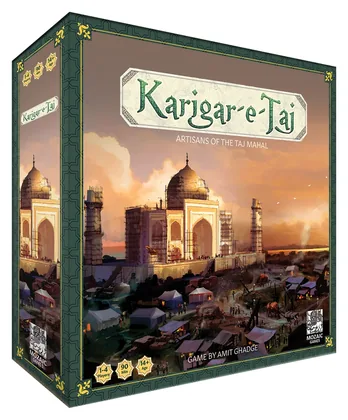 Karigar-e-Taj |
ANOTHER WAY TO PLAY
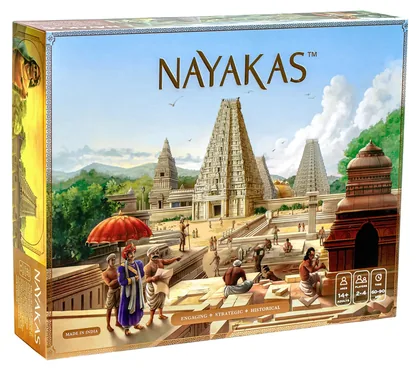 Nayakas |
ANOTHER WAY TO PLAY
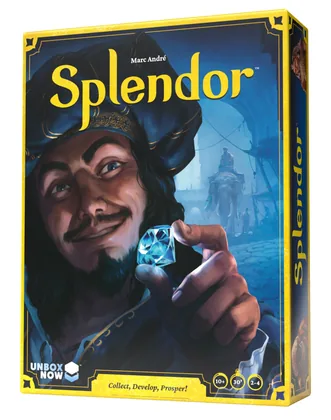 Splendor |
ANOTHER WAY TO PLAY
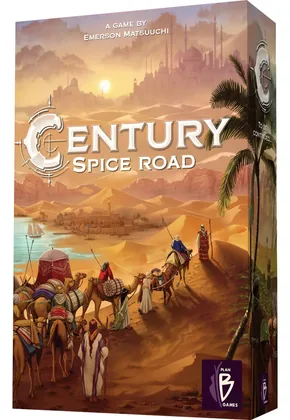 Century: Spice Road |
|---|---|---|---|---|
| Why consider it | This game Gather Mughal-era materials in the bazaar and build the Taj Mahal | A different fit Another Indian worker-placement game about building monuments, for 2 to 4 | A different fit Collect resources to buy buildings and points, in a shorter, simpler race | A different fit Trade up from basic goods to precious ones, with an Indian spice-trade theme |
| Players | 1–4 | 2–4 | 2–4 | 2–5 |
| Best with | 3-4 | 3-4 | 2-3 | 2-4 |
| Play time | 60–90 min | 60–90 min | 30 min | 30–45 min |
| Age | 14+ | 14+ | 10+ | 8+ |
| Rules | Medium | Involved | Easy | Easy |
| Indian edition | Available | Available | Imported | Imported |
| On this page | Explore Nayakas | Explore Splendor | Explore Century: Spice Road |
More by Amit Ghadge
Another way into their collection.
More from Mozaic Games
Another way into their collection.

Uninvited Guests at a Wedding
Wedding crashers bluff and blame each other to escape the shaadi.
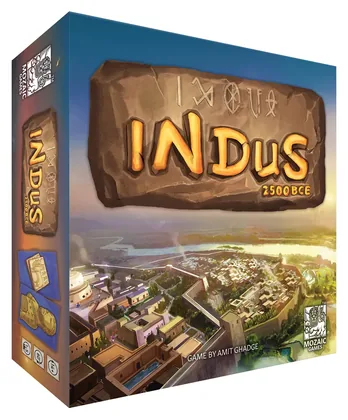
Indus 2500 BCE
Draw your own Indus Valley city and protect it from calamities
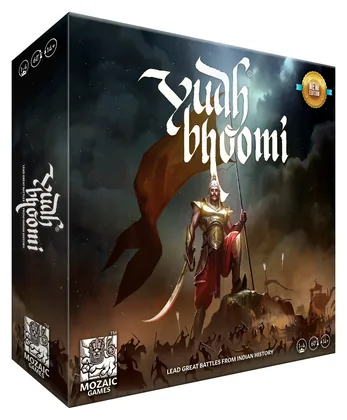
Yudhbhoomi
Lead Indian armies through three dice-driven fort campaigns, Rani Abbakka's included

Furry Pawlitics
Juggle squabbling pets in a busy vet clinic to become Best Doctor
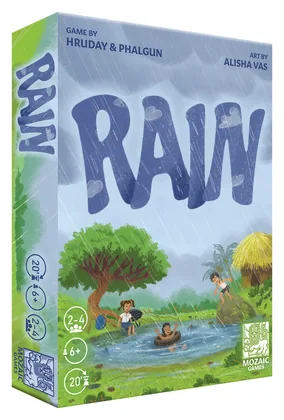
Rain
Lay cards to build little nature scenes of clouds, rain and land
More trading games
Different games. A familiar kind of fun.
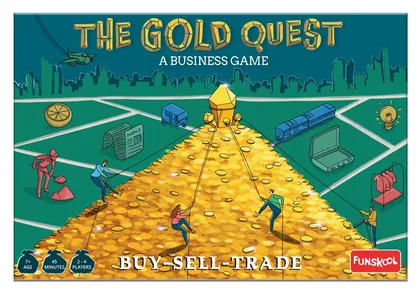
Business: The Gold Quest
Buy Indian and overseas companies with resources and race for gold
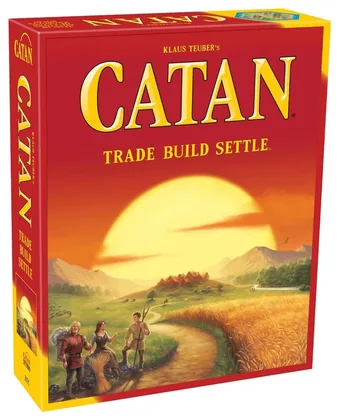
Catan
Trade wheat for brick, build roads, and race to ten points.

Business
India's own property game: buy cities, collect rent, build hotels
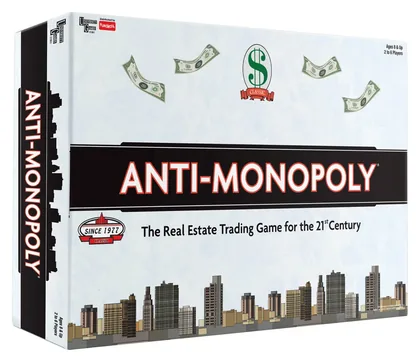
Anti-Monopoly
Two sides, two sets of rules: fair competitors against greedy monopolists

Stock Market
Buy and sell shares as market news pushes prices up and down
Also playable with two
For game nights with two players.

Wingspan
Calm card game about birds where every new bird boosts your turns.
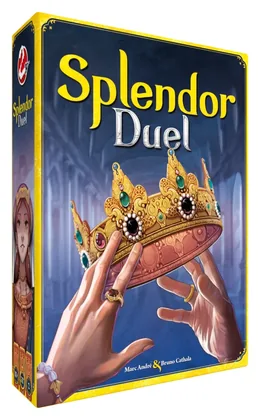
Splendor Duel
Splendor rebuilt for two: gem lines, card powers, three ways to win

7 Wonders Duel
The 7 Wonders civilisation race, rebuilt as a tense 30-minute duel
Splendor
A quick gem-trading race where every card makes the next easier.
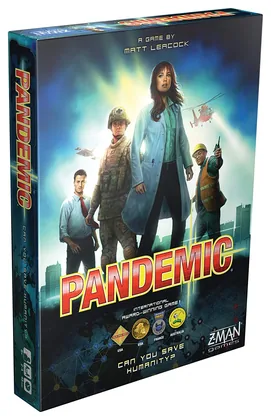
Pandemic
Work together to cure four diseases before time runs out
Questions people ask about Karigar-e-Taj
Can you play Karigar-e-Taj solo?
Yes. The box includes 32 Ustad cards that run one or two automated rival artisans: each turn you flip an Ustad card, which blocks a bazaar card for that rival, and the rival builds a Taj section whenever its small deck runs out. The same cards can add rivals to a two-player game.
How long does Karigar-e-Taj take, and is it hard to learn?
Plan on 60 to 90 minutes, longer the first time. The publisher calls it light-medium: each turn is a single choice, but you need to plan worker routes around the bazaar and watch what your rivals are collecting. Teens who have played Splendor or Ticket to Ride pick it up quickly.
Is Karigar-e-Taj historically accurate?
It is inspired by history rather than a simulation. The materials are real ones used for the Taj Mahal, and the rulebook adds short notes on them, but the actual building, which took about two decades and more than 20,000 workers and artisans, is turned into a race to place 12 tiles.
Who made Karigar-e-Taj?
It was designed by Amit Ghadge, who also made Indus 2500 BCE, and published by Mozaic Games of Bengaluru, which was called DICE Toy Labs until 2022. It was funded on Kickstarter by 326 backers in November 2021.
Game facts
- Designed by
- Amit Ghadge
- Publisher
- Mozaic Games (DICE Toy Labs Pvt Ltd, Bengaluru)
- In India
- Mozaic Games, the Bengaluru publisher (DICE Toy Labs Pvt Ltd)
- First published
- 2022
- Players
- The maker says 1 to 4 players. It is a 2-4 player game at heart (the 2021 Kickstarter said 2-4); the Ustad cards add one or two automated rival artisans, which is how one person plays alone and how two can get a busier bazaar.
- Language
- Some English – Everything is in English. Alliance and Bakshish cards carry short rules text, and the resource names (Abini wood, lime mortar, mohurs) are explained in the rulebook. Building costs and bazaar spaces use pictures, so once one person knows the cards, mixed-language groups manage fine.
Sources & photo creditsThe references behind this guide.
Facts on this page come from the publisher, the Indian maker or distributor, and the sources below. Photos are credited under each one.