
- Set-up
- About 2 min
- Reading
- Little
The quick verdict
Full verdict ↓Great for Family get-togethers and Diwali evenings, when grandparents, parents and children can all play
Think twice if You mostly play as a pair: it needs at least three, and five or more is better
How we rate it
Learning curve. One clue each and a vote: the rules take a minute, and a six-year-old can follow them after one round. Bluffing well takes practice, but that is the fun, so it sits with UNO at 1.
Luck & skill. Who becomes the Imposter, and which word comes up, is luck. Choosing clues that are clear but not too clear, and reading other players, is the skill.
Interaction. The whole game is talking, listening, accusing and defending yourself in front of everyone.
Set-up. Deal a card to each player, making sure exactly one is an Imposter card, and roll for the word.
Reading. Each player reads one word from their card per round; the clues are spoken.
Learning curve: 1 = UNO or Connect 4; 3 = Catan; 5 = a heavy strategy game. These describe the experience, not an overall score.
Is Imposter right for you?
Great if
- Family get-togethers and Diwali evenings, when grandparents, parents and children can all play
- Groups of five or more cousins or friends: the more players, the more suspects
- Children from about 6 who can read a simple English word and enjoy a bluff
- Travel and holidays: it is just a deck of cards and a rule book
Skip it if
- You mostly play as a pair: it needs at least three, and five or more is better
- Your group dislikes bluffing or being put on the spot; shy children may not enjoy being the Imposter
- You want a board game with lasting strategy; this is a quick talking game
How Imposter plays
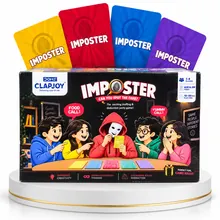
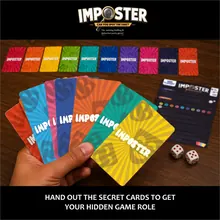
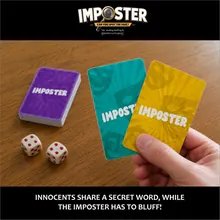
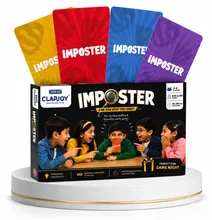
At the start of each round every player secretly gets one card. All but one of them are matching word cards, each with the same numbered list of everyday words such as Park, Onion, Battery or Mango. One player gets a card that just says Imposter. Clapjoy's pictures show a dice roll picking the number of this round's secret word, so everyone with a word card knows the same word and the Imposter knows nothing.
- Time to teach: about 5 minutes.
- Reading and language: Each card lists simple English words such as Park, Onion, Battery, Mango and Cricket, and you read only the one the dice pick. Clues and arguments can be in Hindi, English or any language the group shares.
A turn, step by step
- 1Deal
Everyone secretly gets a card: all but one show the same list of words, and one says Imposter. A dice roll picks this round's word.
- 2Clue
Going round, each player gives one short clue about the secret word. The Imposter listens and bluffs a clue that fits.
- 3Vote
Talk it over, then everyone votes at once. If the most votes miss the Imposter, the Imposter has got away with it.
- 4Win
A caught Imposter gets one guess at the word: right, and they steal the win; wrong, and everyone else wins the round.
The full explanation: how a game of Imposter goes
Going round the circle, each player gives one short clue linked to the secret word. If the word is Mango, you might say 'summer' or 'aamras'. The trick is to show the others you know the word without making it so obvious that the Imposter can work it out. The Imposter has to listen carefully to the clues before their turn and come up with one that sounds right.
When everyone has given a clue, talk it over, then all vote at the same time for the player you suspect. If the most votes land on someone who knew the word, the Imposter has got away with it. If the Imposter is caught, they get one last chance: guess the secret word correctly and they steal the win; guess wrong and everyone else wins the round.
Then deal new cards, roll for a new word and play again, so a different player is usually the Imposter. We couldn't see whether the rule book has a points system, so agree before you start whether you play single rounds or give a point to each winner and play to a target.
For children of 6 or 7, an adult can sit out the first round as host, deal the cards, roll the dice and quietly check that everyone has understood their card. Younger children can play as a team with an older cousin. Clues can be in any language the group shares; only the words on the cards are in English.
What's in the box
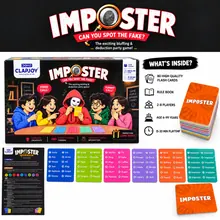
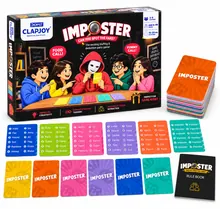
- 80Cards
word cards with a numbered list of everyday words, and Imposter cards - 1Rule book
From Clapjoy's description and its key-facts picture ('80 high quality flash cards', 'rule book'), which match the Amazon.in listing facts. Clapjoy's how-to-play pictures show a dice roll choosing the word, but no dice are listed in the contents; if none come in your box, borrow them from a Ludo set. How the 80 cards divide between word cards and Imposter cards is not given. There is only one edition.
Where to buy
How to make sure you get a genuine copyEditions and the details worth checking.
What reviewers and players say
We found no independent reviews, blog posts, videos or forum threads about Clapjoy's Imposter, which only came out in 2026, so this rests on Clapjoy's own pages and pictures. On paper it is the well-known secret-word party game in a small deck that travels easily: one clue each, a vote, and a last-chance guess that keeps the Imposter in the game even when caught. Its word lists are everyday things an Indian child knows, such as mango, cricket, bangle and AC, which should make it easier for younger players than adult party games. The rules for scoring and for odd cases are not published, so agree them before you start.
What people love
- Rounds are quick, and a new Imposter and a new word come up every round
- Everyday words that Indian children know, so six-year-olds can join in
- Clues can be given in any language the family speaks
- A caught Imposter can still win by guessing the word, so being the Imposter stays exciting
Common complaints
- It needs at least three players and works best with five or more
- The rule book isn't online, and the maker's pictures don't make clear whether dice are included
- No independent reviews yet, so it is hard to say how long the word lists stay fresh
5 research sources
- Reference Imposter (Clapjoy product page, August 2026) · Clapjoy
- Reference Imposter (Clapjoy's clapjoy.in product page, August 2026) · Clapjoy
- Reference Can YOU Spot the IMPOSTER? One of Them Is Lying! (Clapjoy, YouTube Short, August 2026) · YouTube
- Reference How to Play The Chameleon - Instructions (Big Potato, date not shown) · Big Potato
- Reference The Chameleon (party game) (Wikipedia, read October 2026) · Wikipedia
Summarised in our own words from the sources above. We don't use Amazon reviews or ratings.
More like Imposter
Which game is the best fit?
Our picks if Imposter isn't quite right.
Swipe to compare every game
| Compare the games.The details that make a difference. |
YOU’RE VIEWING
 Imposter |
ANOTHER WAY TO PLAY
 Just One |
ANOTHER WAY TO PLAY
 Codenames |
ANOTHER WAY TO PLAY
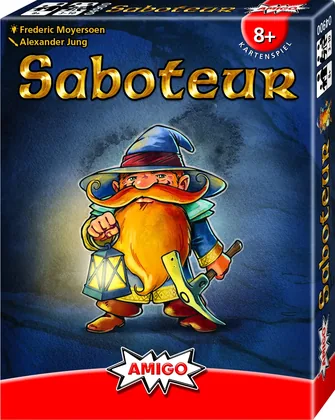 Saboteur |
|---|---|---|---|---|
| Why consider it | This game Everyone knows the secret word except the Imposter, who must bluff | A different fit Another one-word-clue party game, but everyone works together to help one guesser | A different fit A word-clue game for teams, for older children and adults | A different fit Hidden roles again: some players are secretly working against the rest |
| Players | 3–8 | 3–7 | 2–8 | 3–10 |
| Best with | 5-8 | 5-7 | 6-8 | 5-8 |
| Play time | 15–30 min | 15–30 min | 15 min | 30–45 min |
| Age | 6+ | 8+ | 14+ | 8+ |
| Rules | Easy | Easy | Easy | Easy |
| Indian edition | Available | Imported | Imported | Imported |
| On this page | Explore Just One | Explore Codenames | Explore Saboteur |
More from Clapjoy
Another way into their collection.
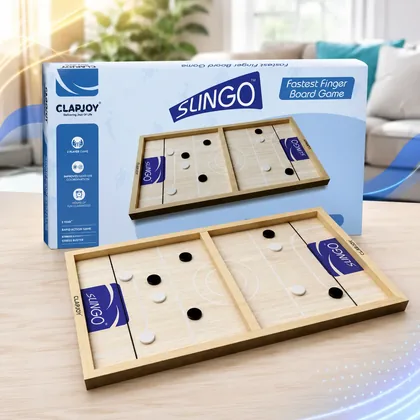
Sling Puck
Two players, ten pucks, one slot: clear your side first
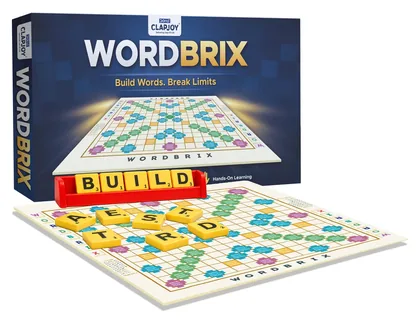
WordBrix
Build crossing words from 100 letter tiles on a foldable board
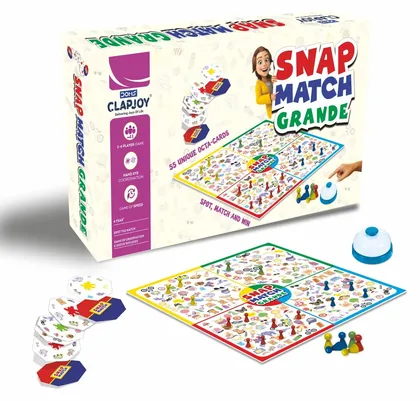
Snap Match Grande
Flip a card, spot its picture on the board, ring the bell
More bluffing games
Different games. A familiar kind of fun.
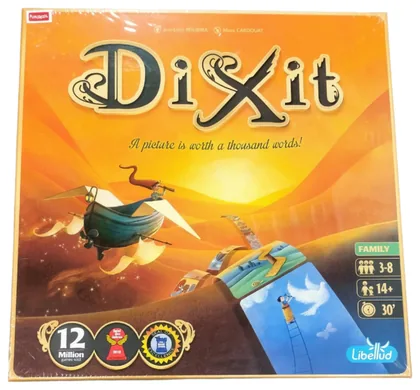
Dixit
Give a clue for a dreamlike picture, but not too obvious
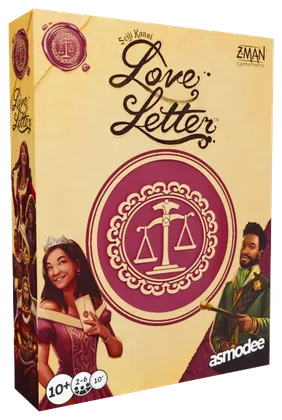
Love Letter
Hold one card, guess your rivals' cards, reach the princess
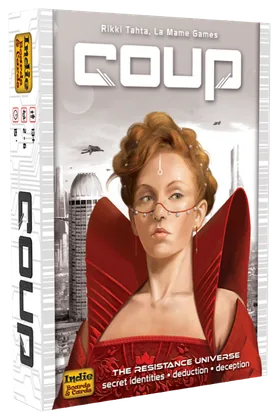
Coup
Claim any character, bluff boldly, and be the last one standing
Saboteur
Dwarves dig for gold while hidden saboteurs try to block the tunnel

Uly & Polly
Hide the wolf among the sheep, or help the sheepdog find it
Also playable with two
For game nights with two players.
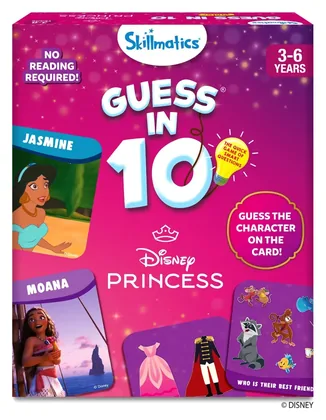
Guess in 10 Junior: Disney Princess
Picture tiles help little ones guess the Disney princess
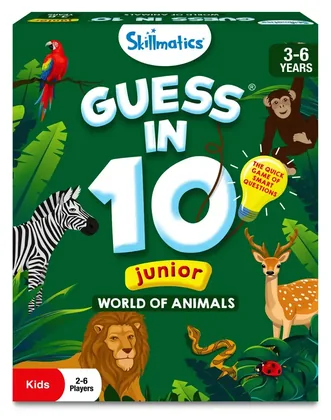
Guess in 10 Junior: World of Animals
Picture tiles help pre-schoolers ask their way to the hidden animal
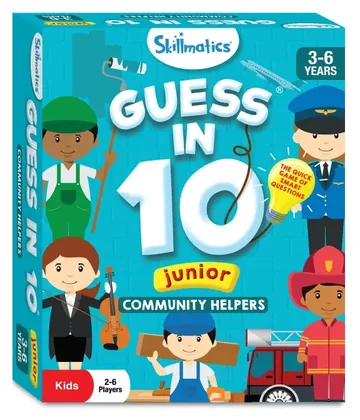
Guess in 10 Junior: Community Helpers
Ask about uniforms and workplaces to name the hidden community helper

Guess in 10 Junior: Food We Eat!
Sweet or salty? Picture tiles lead small children to the hidden food
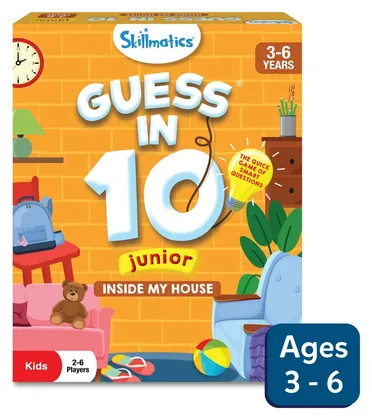
Guess in 10 Junior: Inside My House
Picture tiles help little ones guess everyday things from home
Also worth a look (not in our catalogue yet): The Chameleon – Big Potato's secret-word game, where a caught Chameleon can also win by guessing the word.
Questions people ask about Imposter
How many players do you need for Imposter?
The box and Clapjoy's description say 2 to 8, but the game really needs at least three: with two, the player who knows the word can tell the other is the Imposter. It gets better with five or more, when there are more people to suspect.
What age is Clapjoy's Imposter game for?
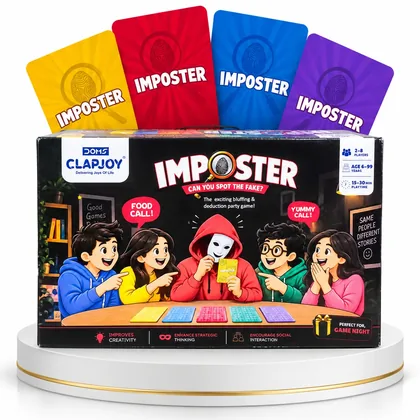
Clapjoy says 6 and up, and its box picture says 6 to 99. A child needs to read one simple English word and think of a clue for it. Younger children can join in as a team with an adult or an older cousin.
Does Imposter come with dice?
Clapjoy's pictures show a dice roll choosing the secret word, and its photos show two dice beside the cards, but its list of contents names only the 80 cards and a rule book. If there are no dice in your box, borrow them from a Ludo or Snakes and Ladders set, or let the dealer call out a number.
Is Imposter the same as The Chameleon or the Imposter phone game?
It uses the same idea: everyone but one player shares a secret word, clues go round, and a vote decides who is bluffing. As in The Chameleon, a caught Imposter can still win by guessing the word. Clapjoy's version has its own cards of everyday words and needs no phone.
Can we play Imposter in Hindi?
The words on the cards are printed in English, but the clues and the arguing can be in Hindi or any language your group shares. Children who are still learning to read can play in a team with an adult.
Game facts
- Publisher
- Clapjoy (Clapjoy Innovations Pvt Ltd)
- In India
- Clapjoy Innovations Pvt Ltd (Faridabad, Haryana)
- First published
- 2026
- Players
- The box and Clapjoy's description say 2 to 8 players, and its shop title says 3 to 8. With only two, the player who knows the word can tell the other is the Imposter, so we count the game from 3. It is best with 5 or more, when there are more people to suspect.
- Language
- Some English – Each card lists simple English words such as Park, Onion, Battery, Mango and Cricket, and you read only the one the dice pick. Clues and arguments can be in Hindi, English or any language the group shares.
Sources & photo creditsThe references behind this guide.
Facts on this page come from the publisher, the Indian maker or distributor, and the sources below. Photos are credited under each one.
- Clapjoy - Imposter (product page, clapjoy.com)
- Clapjoy - Imposter (product page, clapjoy.in)
- Clapjoy - FAQs (BIS certification, age guidance)
- Clapjoy on YouTube - 'Can YOU Spot the IMPOSTER?' (Short, August 2026)
- Big Potato - How to play The Chameleon (instructions)
- The Chameleon (party game) - Wikipedia