
- Set-up
- Under a minute
- Reading
- None
The quick verdict
Full verdict ↓Great for Pre-schoolers of 3 to 5 who know their colours, or are learning them, and want a first game with a winner
Think twice if Your children are 7 or older: the box is marked 3 to 6, and the spotting race soon gets too easy
How we rate it
Learning curve. Roll, look, grab. A three-year-old can join in with an adult, and the picture puzzle cards add a gentle step up, so it sits at 1 on our scale with UNO and Connect 4.
Luck & skill. The dice only choose which token to look for. The token goes to whoever spots it first, so sharp eyes win and an older child will usually beat a younger one.
Interaction. Everyone hunts for the same token at the same moment, so it is a lively race, but nobody can block another player or take a token back.
Set-up. Spread the 21 tokens face up where every child can see and reach them, and keep the dice or the cards handy.
Reading. Dice, tokens and cards are all colours and pictures, and the maker says no reading is required. Only the game guide needs an adult to read it once.
Learning curve: 1 = UNO or Connect 4; 3 = Catan; 5 = a heavy strategy game. These describe the experience, not an overall score.
Amazon Prime Get fast, free delivery on eligible items and early access to select sales. See Prime plans ↗
Is Pajama Party right for you?
Great if
- Pre-schoolers of 3 to 5 who know their colours, or are learning them, and want a first game with a winner
- Mixed ages at home: play it as a race with older cousins, or with no race at all for a three-year-old
- Quiet time alone: the 21 puzzle cards are made so a child can check the answer without an adult
- Parents and teachers who want looking, matching and early logic practice with no reading
Skip it if
- Your children are 7 or older: the box is marked 3 to 6, and the spotting race soon gets too easy
- There is a baby or toddler under 3 at home: the box front warns of small parts
- You want a board, pawns and a story: this is pure spotting, with nothing to move or build
How Pajama Party plays
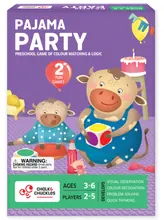
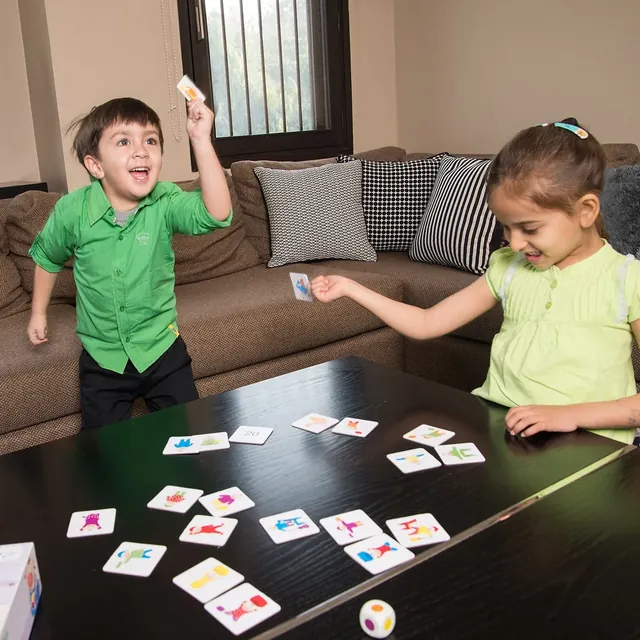
Marvin Moo the cow is throwing a pajama party, and the 21 tokens show his friends dressed for it. Spread all 21 face up on the table or floor so every child can see them, and keep the two wooden colour dice handy.
- Time to teach: about 2 minutes.
- Reading and language: Nothing needs reading: the dice show colours, and the tokens and cards are pictures. The maker says no reading is required, so children can call out the colours in Hindi, Tamil or any home language. An adult reads the game guide once.
Pajama Party by Chalk and Chuckles · Chalk and Chuckles · Official
If this creator doesn’t allow embedded playback, watch on YouTube ↗.
A turn, step by step
- 1Roll
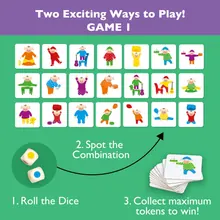
Spread the 21 cow tokens face up, then roll the two wooden colour dice.
- 2Spot
Everyone looks for the one friend of Marvin Moo dressed in both colours. The first to find it keeps the token.
- 3Win
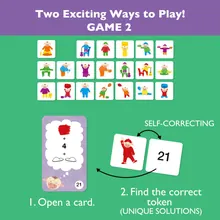
At the end, the child with the most tokens wins. For the second game, swap the dice for the 21 problem-solving cards.
The full explanation: how a game of Pajama Party goes
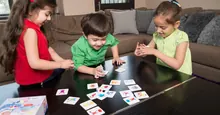
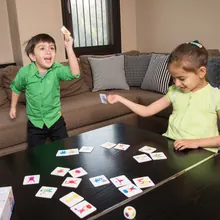
Game 1 is the race. Roll both dice and everyone looks for the one friend whose colours match the two dice; store listings describe it as the cow whose cap, slippers, pajamas and shirt are in those colours. The first child to find it keeps the token, and at the end the child with the most tokens wins.
With the youngest children, the maker suggests dropping the competition: roll the dice and give the child time to find the token. The maker's page doesn't say what to do when the dice ask for a friend who has already been taken; rolling again is the simple fix.
Game 2 puts the dice away. Turn over one of the 21 problem-solving cards and find the token that answers it. The maker says the cards use colour, patterns, shadow objects, numbers and the idea of something not being there; the US distributor's picture of the cards shows clues such as an orange cap, a star pattern and no slippers. The cards are numbered and labelled so that a child can check the answer, which makes this the game to play alone.
For parents: the box front carries a choking-hazard warning for small parts and says the game is not for children under 3, so keep the dice and tokens away from babies. The maker gives no playing time; allow about 10 to 15 minutes for a round of either game.
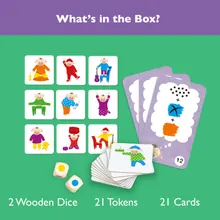
What's in the box
- 21Moo's friends tokens
picture tokens of Marvin Moo's cow friends, dressed for the party - 2Wooden colour dice
roll both to get the two colours to look for - 21Problem-solving cards
numbered picture puzzles for the second game, each answered by one token - 1Game guide
Box: 23 × 16.5 × 4.5 cm, 0.36 kg. Handy to know for gifting and travel.
Contents are from Chalk and Chuckles' product page and its 'What's in the Box?' picture for the box we link (item CCPPL023). The US distributor's listing gives the same parts, and older store listings call the cards 'thinking assignment cards'. There is one edition.
Where to buy
Boardgames.in helps you choose a game. You place your order on Amazon.in, where you can check the seller, delivery estimate and return terms before paying. Amazon.in’s policies apply to your purchase. As an Amazon Associate, we may earn a commission when you buy through our links, at no extra cost to you.
How to make sure you get a genuine copyEditions and the details worth checking.
What reviewers and players say
We found one written review, a sponsored blog post by a parent, and no independent reviews or forum threads; the rest of what is online comes from Chalk and Chuckles and store listings. On paper it is a neat first game: two dice set the target, every child hunts at once, and the 21 picture puzzles give the box a second life once colours are easy. The parent's post says a group of two-to-four-year-olds picked up the colour game quickly and enjoyed it. The race favours older children, so mixed ages need the maker's no-competition way of playing, and by 7 most children will have outgrown it.
What people love
- Two games in one box: a dice-and-spotting race and 21 picture logic puzzles
- No reading at all, so three-year-olds can join in
- The puzzle cards are made for self-checking, so a child can play alone
- A parent's sponsored blog post says children of 2 to 4 took to the colour game quickly
Common complaints
- The race favours the oldest child at the table unless you drop the competition
- Small parts: the box front says it is not for children under 3
- Almost no independent reviews, so it is hard to say how long it keeps children interested
6 research sources
- Reference Pajama Party (Chalk and Chuckles product page, July 2022; pictures updated March 2025) · Chalk and Chuckles
- Review Board game review: Pajama Party (Love, Life & the Little One, undated; sponsored post) · Love, Life & the Little One
- Reference Pajama Party by Chalk and Chuckles (Chalk and Chuckles, December 2016) · YouTube (Chalk and Chuckles)
- Reference Chalk & Chuckles Pajama Party Matching Game (US distributor listing, February 2025) · Safari Ltd
- Reference Pajama Party Game by Chalk & Chuckles (Australian store listing) · Special Needs Resources
- Reference Contact: registered office and factory address (Chalk and Chuckles) · Chalk and Chuckles
Summarised in our own words from the sources above. We don't use Amazon reviews or ratings.
More like Pajama Party
Which game is the best fit?
Our picks if Pajama Party isn't quite right.
Swipe to compare every game
| Compare the games.The details that make a difference. |
YOU’RE VIEWING
 Pajama Party |
ANOTHER WAY TO PLAY
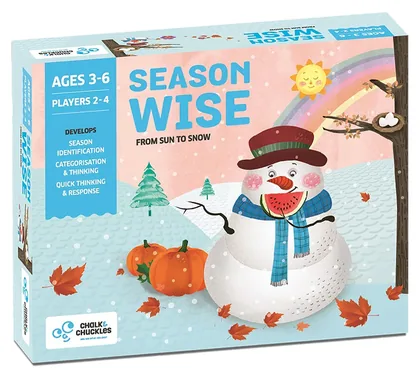 Season Wise |
ANOTHER WAY TO PLAY
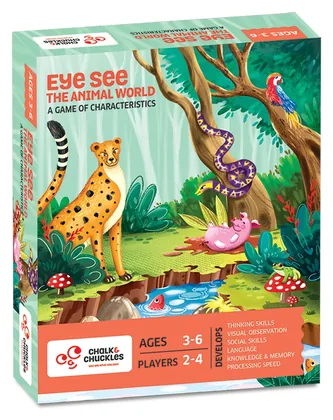 Eye See: The Animal World |
ANOTHER WAY TO PLAY
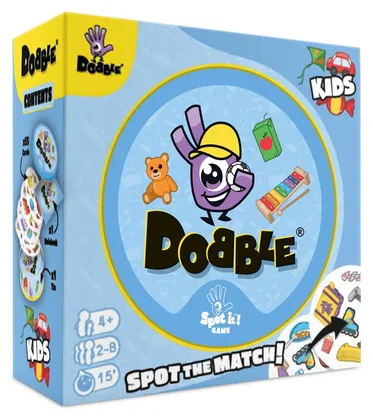 Dobble Kids |
|---|---|---|---|---|
| Why consider it | This game Roll two colour dice and spot the one cow dressed to match | A different fit Same maker, same age: flip a card and race to put the right season's ornament on its board | A different fit Same maker, same age: flip a card and race to grab every animal token that fits | A different fit The well-known spot-the-match race, with picture cards for children from 4 |
| Players | 2–5 | 2–4 | 2–4 | 2–8 |
| Best with | 2-4 | 3-4 | 3-4 | 3-6 |
| Play time | 10–15 min | 10–15 min | 10–20 min | 10–15 min |
| Age | 3+ | 3+ | 3+ | 4+ |
| Rules | Easy | Easy | Easy | Easy |
| Indian edition | Available | Available | Available | Available |
| On this page | Explore Season Wise | Explore Eye See: The Animal World | Explore Dobble Kids |
More from Chalk and Chuckles
Another way into their collection.
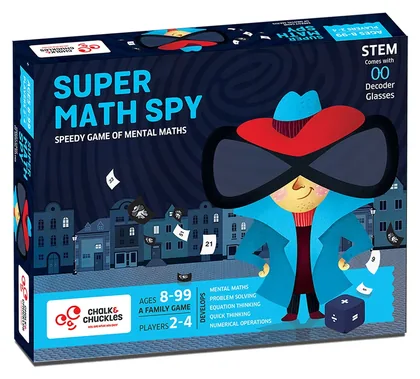
Super Math Spy
Race to build an equation that hits your mission number
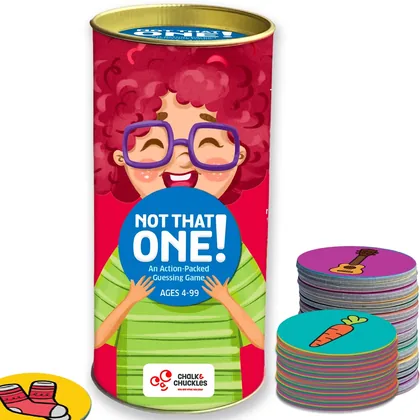
Not That One
Ask yes-or-no questions, grab tokens, and dodge the secret one
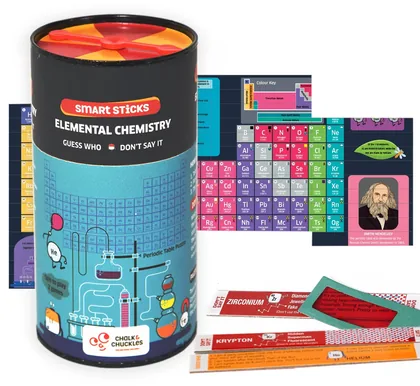
Smart Sticks Elemental Chemistry
Spin, pick a stick and race to name the element
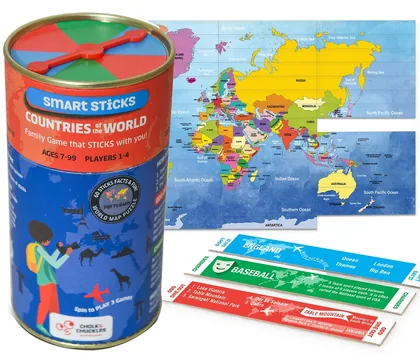
Smart Sticks Countries of the World
Act, describe and spot the odd one out across 60 countries
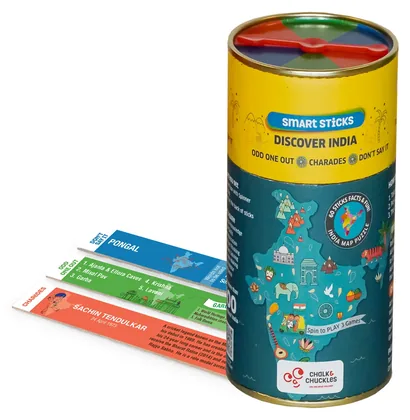
Smart Sticks Discover India
Charades, clues and odd-one-out rounds about India, plus a map puzzle
More speed games
Different games. A familiar kind of fun.
Super Math Spy
Race to build an equation that hits your mission number
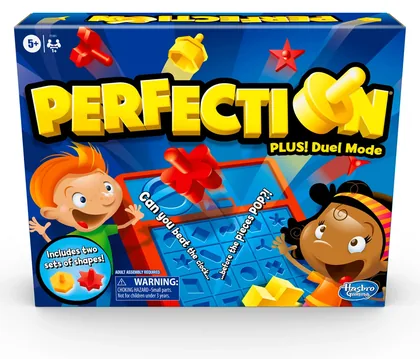
Perfection
Race the clock, or a friend, before the shape tray pops
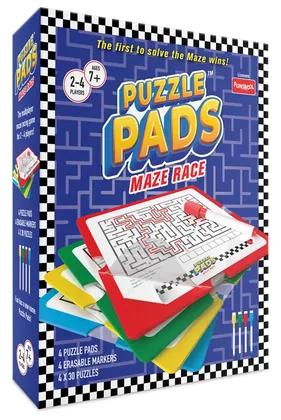
Puzzlepads Maze Race
Race to solve the same maze first with erasable markers
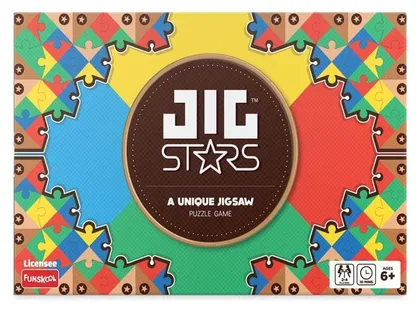
Jig Stars
Grab jigsaw pieces fast and build the highest-scoring puzzle
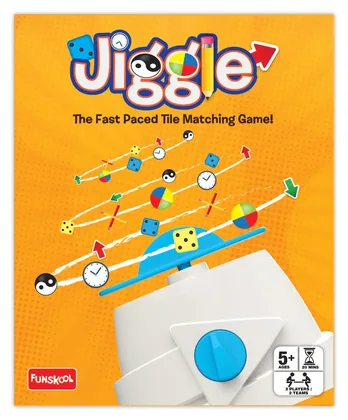
Jiggle
Copy the spinning picture with your tiles before your rival does
Questions people ask about Pajama Party
How do you play Pajama Party?
Spread the 21 cow tokens face up and roll the two colour dice. Everyone looks for the one token that matches both colours, the first to find it keeps it, and the most tokens wins. A second game uses 21 problem-solving cards in place of the dice.
What age is Pajama Party for?
The box and Chalk and Chuckles' page say 3 to 6 years. The box front also warns of small parts and says the game is not for children under 3. By 7 most children find the spotting race too easy.
How many players can play Pajama Party?
The box front says 2 to 5. The maker's web page says 1 to 4, since one child can work through the problem-solving cards alone, and some listings say 2 to 4. Two to four children is a comfortable number for the race.
Does Pajama Party need any reading?
No. The dice show colours and the tokens and cards are pictures, and the maker says no reading is required. An adult only needs to read the game guide once.
Is Pajama Party made in India?
It comes from Chalk and Chuckles, an Indian company that lists its own factory in Kundli, Haryana. The maker's page for this game doesn't state the country of origin, so check the box label if it matters to you.
Game facts
- Publisher
- Chalk and Chuckles (Chalk and Chuckles Products Pvt Ltd, New Delhi, India)
- In India
- Chalk and Chuckles, an Indian company (registered office in New Delhi, factory in Kundli, Haryana), which publishes and sells the game in India
- Players
- The box front says 2 to 5 players. Chalk and Chuckles' web page says 1 to 4, because one child can work through the problem-solving cards alone, and some listings say 2 to 4.
- Barcode
- 8906045560238
- Language
- No reading – Nothing needs reading: the dice show colours, and the tokens and cards are pictures. The maker says no reading is required, so children can call out the colours in Hindi, Tamil or any home language. An adult reads the game guide once.
- Box size and weight
- 23 × 16.5 × 4.5 cm, 0.36 kg
Sources & photo creditsThe references behind this guide.
Facts on this page come from the publisher, the Indian maker or distributor, and the sources below. Photos are credited under each one.
- Chalk and Chuckles - Pajama Party (how to play, contents, size, ages)
- Chalk and Chuckles - Pajama Party product data (item CCPPL023, weight, picture list)
- Chalk and Chuckles - Contact (registered office and factory address)
- Chalk and Chuckles - Our Story (founded 2013; safety standards)
- Pajama Party by Chalk and Chuckles (maker's video, December 2016)
- Safari Ltd - Chalk & Chuckles Pajama Party Matching Game (US distributor listing)
- Love, Life & the Little One - Board game review: Pajama Party (sponsored blog post, undated)
- Toycra - Chalk & Chuckles Pajama Party (Indian store listing: item code, contents)