
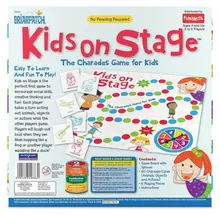
- Set-up
- Under a minute
- Reading
- None
The quick verdict
Full verdict ↓Great for Children aged 3 to 8 who can't read yet but love pulling faces and making animal noises
Think twice if Your children are 8 or older; the pictures will feel too easy, and grown-up dumb charades or Pictionary will suit them better
How we rate it
Learning curve. Spin, move, act. Three-year-olds can play with a little help. It sits with UNO and Connect 4 on our scale.
Luck & skill. The spinner decides how far you move and which kind of card you get, and everyone finishes anyway. The fun is in the acting, not in winning.
Interaction. Every turn, one person performs and everyone else guesses together.
Set-up. Open the board, sort the cards into three piles by colour and put the pieces on START.
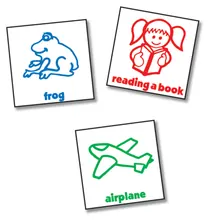
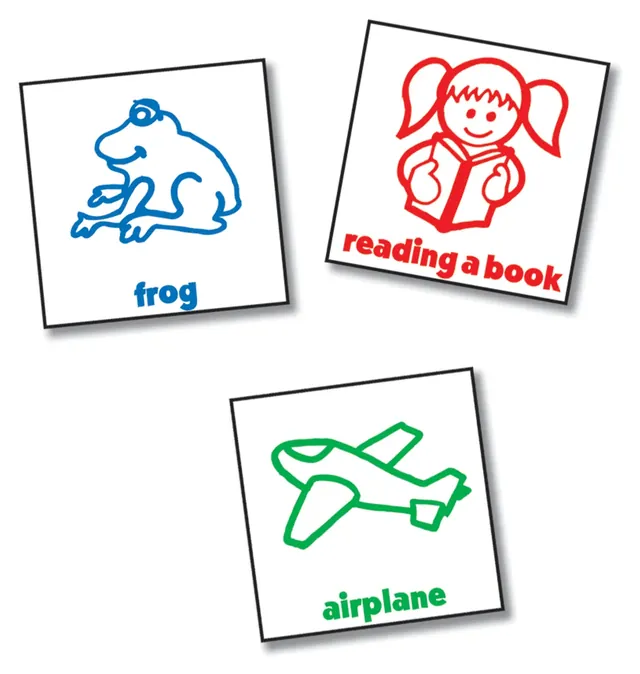
Reading. All cards are pictures; the box says 'No Reading Required'.
Learning curve: 1 = UNO or Connect 4; 3 = Catan; 5 = a heavy strategy game. These describe the experience, not an overall score.
Is Kids On Stage right for you?
Great if
- Children aged 3 to 8 who can't read yet but love pulling faces and making animal noises
- Mixed-age family evenings where grandparents, parents and little cousins can all play together
- Children who get upset about losing, since everyone finishes and the rules say everyone wins
- A rainy afternoon or a birthday party for small children
Skip it if
- Your children are 8 or older; the pictures will feel too easy, and grown-up dumb charades or Pictionary will suit them better
- You want a game with a winner and some tactics; the spinner decides everything and there's no scoring
- Your child is very shy about acting in front of others; some children need an adult to go first
How Kids On Stage plays
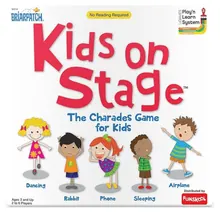
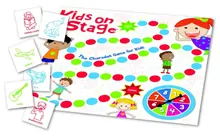
Set-up: open the board, sort the 60 cards into three face-down piles by colour (red actions, blue animals and green objects), and put a playing piece for each player or team on START. The oldest player goes first.
- Time to teach: about 2 minutes.
- Reading and language: Every card is a picture, so no reading is needed and children act without speaking. Guesses can be shouted in Hindi, English or any language at home. The rules leaflet is in English.
How To Play: Kids on Stage from Briarpatch · UG Studios · Official
Choose a video · Watch right here
If this creator doesn’t allow embedded playback, watch on YouTube ↗.
A turn, step by step
- 1Spin
Spin the spinner and move your piece that many spaces.
- 2Draw
Take a card from the pile that matches the colour you landed on: red action, blue animal or green object.
- 3Act
Act out the picture without words while everyone else guesses; sounds are allowed.
- 4Finish
Keep going until every piece reaches FINISH. Nobody loses.
The full explanation: how a game of Kids On Stage goes
On your turn, spin the spinner and move your piece that many spaces. The colour of the space you land on tells you which pile to draw from. Look at the picture without showing anyone.
Now act it out without speaking. Sounds are allowed, so a roar or a moo is fair. Everyone else shouts guesses until someone names the action, animal or object, and then the next player spins. You don't have to copy the picture exactly: for 'playing baseball' you could bat, catch or throw. Indian children can just as easily mime cricket.
When you reach FINISH, you draw one last card of any colour and act it out. Play carries on until every piece is home, so no one is left out and, as the rules put it, everyone wins.
Tip: pair a three-year-old with an older cousin or a grandparent as a team, so the little one picks the card and gets help with ideas. Some families skip the board altogether and just take turns drawing and acting out cards.
What's in the box
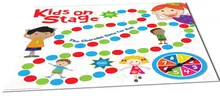
- 1Game board with spinner
- 60Charades cards
20 red action cards, 20 blue animal cards and 20 green object cards, all pictures - 6Playing pieces
- 1Rules leaflet
English, printed with 'Made in India'
This list comes from Funskool's rules leaflet for its box and matches the listing facts and University Games' own contents list. The US Briarpatch box has the same contents.
Where to buy
How to make sure you get a genuine copyEditions and the details worth checking.
What reviewers and players say
Reviewers of Kids On Stage describe it as a fun, very easy first charades game that keeps a wide range of ages interested, from three-year-olds to their older siblings and parents. They like that the cards are pictures, so pre-readers can play, and that nobody loses. The board, spinner and pieces are praised as sturdy and colourful, but one family found the cards flimsy and worried they would bend or tear. Young children may be shy at first, or simply call out what is on the card, until an adult shows them how to act it, and some families skip the board and just act out cards.
What people love
- Picture cards, so children who can't read can play
- Everyone finishes and nobody loses
- Holds the attention of a wide age range, with up to six players
- A sturdy folding board and a spinner that spins freely
Common complaints
- The cards are thin and glossy and may bend or tear with heavy use
- Very young children may need an adult to show them how to act before they join in
- The board adds little, and some families end up just drawing cards
Based on 6 reviews and discussions
- Review Kids On Stage: The Charades Game for Kids! (Lost and Farm, November 2016) · Lost and Farm
- Review How to Play Kids on Stage Charades with Your Family (Rose DesRochers, November 2016) · Today's Woman
- Review Games for Kids: Kids on Stage, Pete the Cate and More (TulsaKids, date not given) · TulsaKids
- Video Kids on Stage Review - with Tom Vasel (The Dice Tower, November 2016) · YouTube - The Dice Tower
- Video Kids On Stage Game Review by @HeyThatsMike (UG Studios, January 2017) · YouTube - UG Studios
- Reference Kids On Stage (University Games) · University Games
Summarised in our own words from the sources above. We don't use Amazon reviews or ratings.
More like Kids On Stage
Which game is the best fit?
Our picks if Kids On Stage isn't quite right.
Swipe to compare every game
| Compare the games.The details that make a difference. |
YOU’RE VIEWING
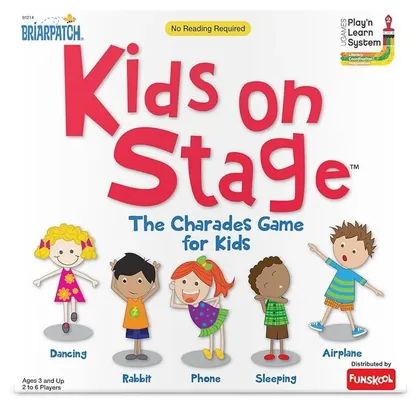 Kids On Stage |
ANOTHER WAY TO PLAY
 Heads or Tails |
ANOTHER WAY TO PLAY
 Pictionary |
ANOTHER WAY TO PLAY
 Hoot Owl Hoot! |
|---|---|---|---|---|
| Why consider it | This game Spin, move and act it out: charades for the littlest players | A different fit Funskool's coin-flip party game, where a wrong call means doing a silly task on a card | A different fit The same guess-what-I'm-showing fun, but you draw instead of act, for older children and adults | A different fit Another gentle first board game for small children where everyone plays together |
| Players | 2–6 | 2–4 | 4–16 | 2–4 |
| Best with | 3-6 | 3-4 | 6-8 | 2-4 |
| Play time | 15–20 min | 15–20 min | 30–60 min | 15 min |
| Age | 3+ | 6+ | 8+ | 4+ |
| Rules | Easy | Easy | Easy | Easy |
| Indian edition | Available | Available | Available | Imported |
| On this page | Explore Heads or Tails | Explore Pictionary | Explore Hoot Owl Hoot! |
More from University Games
Another way into their collection.
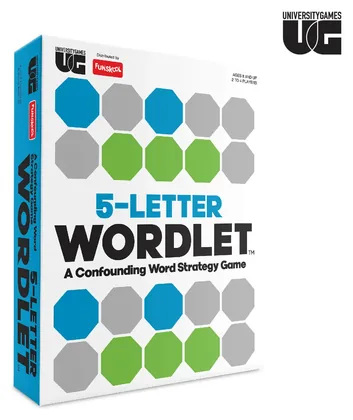
5-Letter Wordlet
Crack a secret five-letter word before anyone else, Wordle-style
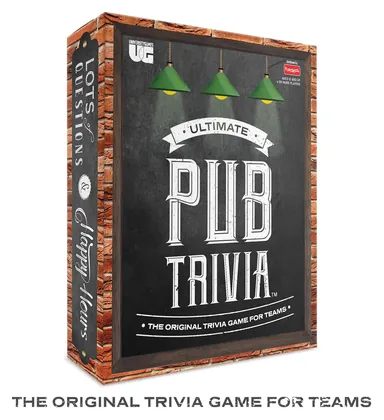
Ultimate Pub Trivia
Host a quiz night at home with 1,000 team trivia questions
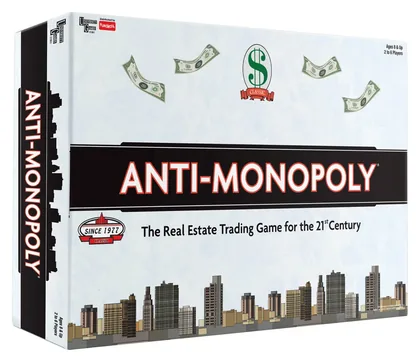
Anti-Monopoly
Two sides, two sets of rules: fair competitors against greedy monopolists
More from Funskool
Also made or sold in India by Funskool.
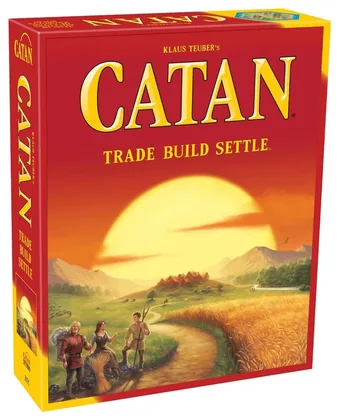
Catan
Trade wheat for brick, build roads, and race to ten points.
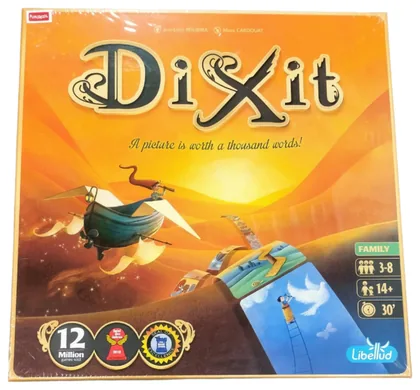
Dixit
Give a clue for a dreamlike picture, but not too obvious
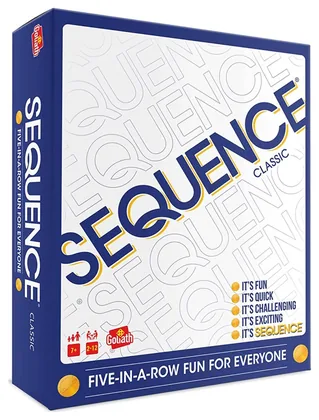
Sequence
Play a card, claim its space, and make five in a row.
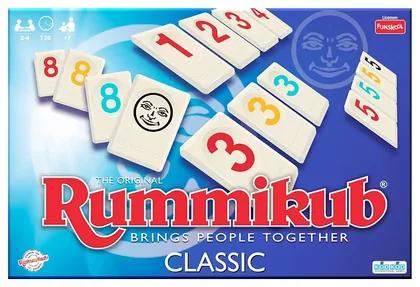
Rummikub
Rummy with tiles: build runs and groups, then rearrange the table
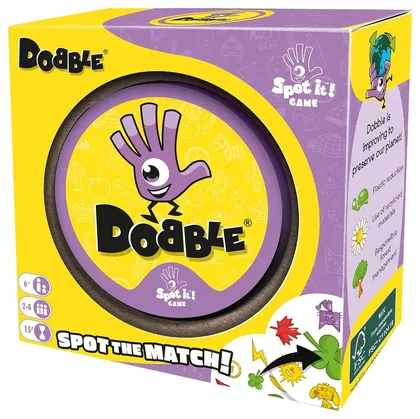
Dobble
Race to spot the one picture any two cards share
More drawing and acting games
Different games. A familiar kind of fun.
Pictionary
Sketch the clue for your team, no letters or talking
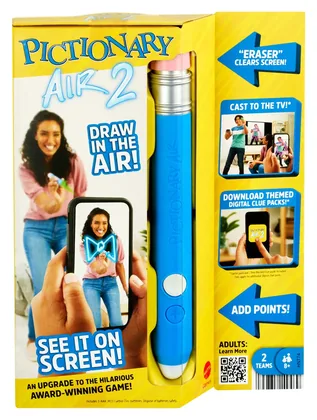
Pictionary Air 2
Needs a phone or tablet: draw clues in the air
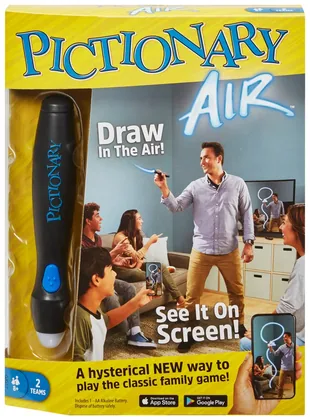
Pictionary Air
Needs a phone or tablet: the original air-drawing Pictionary, with clue cards
Also playable with two
For game nights with two players.
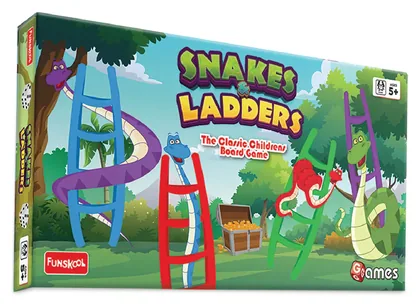
Snakes and Ladders
Climb the ladders, dodge the snakes, first to 100 wins

Monopoly Junior
Monopoly for little ones: one die, simple rules, half an hour

Monopoly Junior: Peppa Pig Edition
Monopoly Junior with Pig family tokens and places from Peppa's world
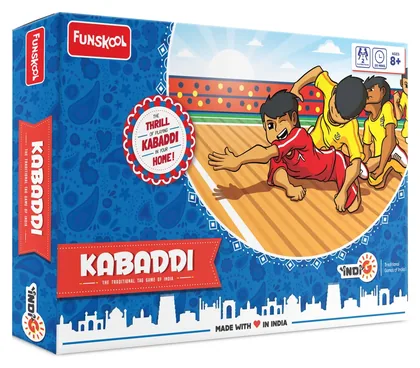
Kabaddi
Raid, tag and tackle in a two-player board game of kabaddi
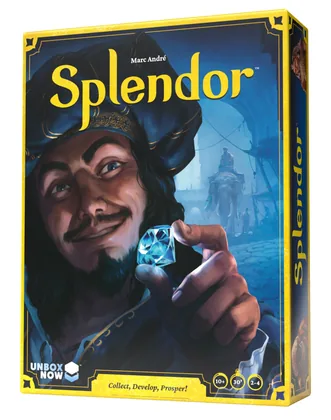
Splendor
A quick gem-trading race where every card makes the next easier.
Questions people ask about Kids On Stage
What age is Kids On Stage for?
The box says 3 and up, and University Games describes it as a game for children aged three to eight. Older children can join in, but the pictures are simple, so it suits families with little ones best.
Does Kids On Stage need reading?
No. Every card is a picture of an animal, an object or an action, and the box says 'No Reading Required'. Children act without speaking, and the guessers can shout in any language.
Who wins Kids On Stage?
Nobody loses. Players keep going until every piece reaches FINISH, and the rules say everyone wins. That makes it a good first game for children who find losing hard.
Is Funskool's Kids On Stage the original game?
Yes. Kids On Stage is University Games' game, sold in the US under its Briarpatch brand, and Funskool makes it in India under licence. Funskool's leaflet carries the University Games copyright and 'Made in India'.
How many can play Kids On Stage?
There are six playing pieces, so 2 to 6 players, or more if you play in teams. For a big family gathering, put a young child and an adult on each team.
Game facts
- Publisher
- University Games (Briarpatch brand)
- In India
- Funskool (India) Ltd, Chennai, which makes it in India under licence from University Games
- Players
- 2–6
- Barcode
- 8901383498830
- Language
- No reading – Every card is a picture, so no reading is needed and children act without speaking. Guesses can be shouted in Hindi, English or any language at home. The rules leaflet is in English.
Sources & photo creditsThe references behind this guide.
Facts on this page come from the publisher, the Indian maker or distributor, and the sources below. Photos are credited under each one.
- Funskool - Kids On Stage product page (item 4988300)
- Funskool - Kids on Stage instructions leaflet
- University Games - Kids On Stage
- University Games - Kids on Stage instructions
- University Games - Briarpatch press release (Nov 2016)
- University Games - Kids on Stage Card Game
- Toycra - Funskool Games Kids On Stage Game