
- Set-up
- Under a minute
- Reading
- Little
The quick verdict
Full verdict ↓Great for Children of 4 to 7 who love blocks and like copying what they see
Think twice if You want a game the family plays together with a winner; this is a puzzle for one child
How we rate it
Learning curve. Pick a card and copy it: a four-year-old understands that at once. The three card levels add balancing and pattern questions, but it sits at 1 on our scale.
Luck & skill. No dice and nothing hidden: every challenge is in plain view on the card, so it comes down to looking carefully and steady hands.
Interaction. It is a puzzle for one child. A grown-up takes part only in the memory and listen-and-build ways to play, as the one showing or describing the card.
Set-up. Tip the blocks out where your child can reach them and sort the cards by their dots. Tidying up takes a minute too.
Reading. The builds are pictures. Some cards end with a short question in English, and the manual is in English, so pre-readers need a grown-up for those.
Learning curve: 1 = UNO or Connect 4; 3 = Catan; 5 = a heavy strategy game. These describe the experience, not an overall score.
Is Brain Blocks right for you?
Great if
- Children of 4 to 7 who love blocks and like copying what they see
- Quiet solo time after school or in the holidays, with cards that get harder as the child improves
- Parents who want to sit alongside now and then: two of the ways to play are made for a grown-up and a child
- A birthday gift for a pre-schooler or a child in Class 1 or 2
Skip it if
- You want a game the family plays together with a winner; this is a puzzle for one child
- There are toddlers at home: the box warns of small parts and says not for children under 3
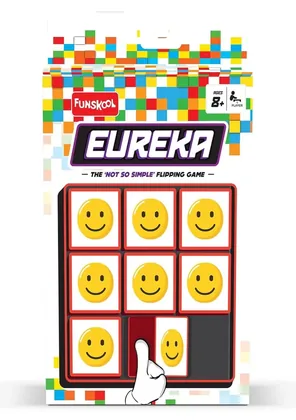
- Your child is already 8 or more and good at puzzles; the cards are pitched at 4 to 7, so Klixokubes or Eureka will last longer
How Brain Blocks plays
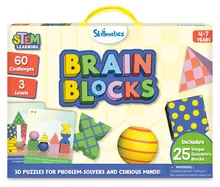
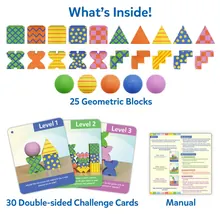
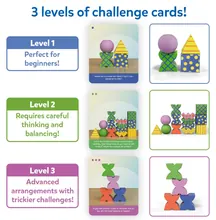
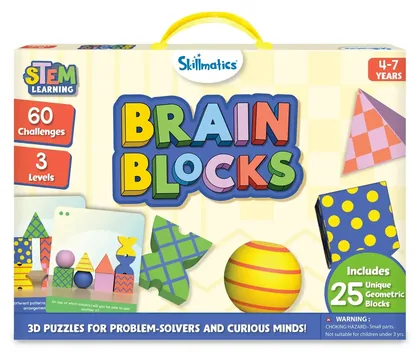
Brain Blocks has 25 chunky blocks in bright colours and patterns, including cubes, triangles and balls, and 30 double-sided challenge cards. Tip the blocks out on a table or the floor where your child can see and reach them all. The dots on each card show its level: one dot for beginners, two dots for builds that need careful thinking and balancing, and three dots for the trickiest arrangements. Skillmatics suggests starting with Level 1 and working up over time.
- Time to teach: about 2 minutes.
- Reading and language: The builds are shown as pictures, so a child who can't read yet can play. Some cards add a short question in English, and the instruction manual is in English, so a grown-up may need to read those out.
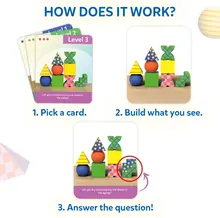
A turn, step by step
- 1Pick
Choose a challenge card, starting with the one-dot Level 1 cards.
- 2Build
Copy the structure in the picture, matching every block's shape, colour, pattern and the way it faces.
- 3Answer
If the card asks a question, answer it. The card is done when your build matches; there is no winner, just the next card.
The full explanation: how a game of Brain Blocks goes
A turn is simple: pick a card, look at the picture and build the same structure with the blocks. It only counts when it looks exactly the same, so the shape, colour, pattern and the way each block faces all have to match. Some cards then ask a question, such as trying to balance a shape on a zigzag or counting how many cubes you need to continue a pattern.
There is no score and no winner. A card is done when the build matches the picture, and the 60 challenges are the puzzle: the aim is to work through all three levels.
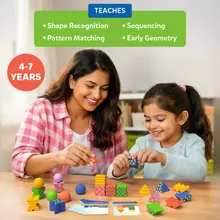
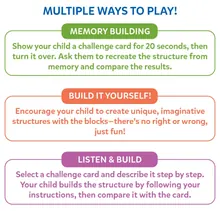
The manual gives three more ways to play. In Memory Building a grown-up shows a card for 20 seconds, turns it face down and the child builds it from memory. In Listen and Build the grown-up describes a card step by step, with its colours, shapes, positions and stacking order, without showing it, and the child builds from the words alone. Build It Yourself is free play with no right or wrong answer.
Tip: after each build, turn the card round and compare it with your child's structure together. Checking which block faces the wrong way is half the learning, and it keeps the early levels from feeling too easy.
What's in the box
- 25Geometric blocks
cubes, triangles, balls and other shapes in bright colours and patterns - 30Double-sided challenge cards
60 challenges in three levels, marked with one, two or three dots - 1Instruction manual
Box: 38.8 × 28.7 × 4.8 cm, 0.7 kg. Handy to know for gifting and travel.
From Skillmatics India's Brain Blocks page and its 'What's Inside!' picture, which agree with the box front (25 unique geometric blocks, 60 challenges, 3 difficulty levels). The block shapes are described from Skillmatics' picture captions. There is one edition; Skillmatics' website also sells the same box inside a bundle.
Where to buy
How to make sure you get a genuine copyEditions and the details worth checking.
What reviewers and players say
Brain Blocks came out in 2026 and we found no independent reviews, videos or forum threads about it, so this rests on Skillmatics' own information. On paper it is a simple, well-graded idea: copy a picture in 3D, starting with easy builds and moving on to balancing and pattern questions. The memory and listen-and-build modes add variety and suit a parent who wants to play alongside. It looks best for children of about 4 to 6 who enjoy blocks; puzzle-loving children at the top of the age range may finish the 60 challenges quickly.
What people love
- One simple rule, copy the card, that a four-year-old understands at once
- Three levels marked by dots, so a child can see their progress
- Extra ways to play from memory or from a parent's description, which stretch listening as well as looking
- Nothing to read for most builds, so it works before a child can read
Common complaints
- No independent reviews yet, so it is hard to say how the blocks and cards hold up
- Sixty challenges in all; after that it relies on free building and the memory and listen modes
- Small parts to keep away from toddlers
- Questions on some cards are in English, so a pre-reader needs a grown-up for them
Based on 4 reviews and discussions
- Reference Brain Blocks | 3D Early STEM Building Blocks for Kids (Skillmatics India, read October 2026) · Skillmatics India
- Reference Brain Blocks product data (Skillmatics India, read October 2026) · Skillmatics India
- Reference Brain Blocks 'What's Inside!' and instruction manual picture (Skillmatics, March 2026) · Skillmatics India
- Reference Brain Blocks 'Multiple Ways to Play' picture (Skillmatics, March 2026) · Skillmatics India
Summarised in our own words from the sources above. We don't use Amazon reviews or ratings.
More like Brain Blocks
Which game is the best fit?
Our picks if Brain Blocks isn't quite right.
Swipe to compare every game
| Compare the games.The details that make a difference. |
YOU’RE VIEWING
 Brain Blocks |
ANOTHER WAY TO PLAY
 Klixokubes |
ANOTHER WAY TO PLAY
 Eureka |
ANOTHER WAY TO PLAY
 Newton's Tree |
|---|---|---|---|---|
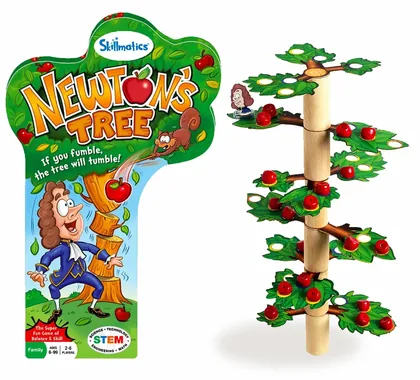
| Why consider it | This game Rebuild the 3D shapes on each card with 25 colourful blocks | A different fit Skillmatics' other solo 3D puzzle, for older children from 7: rebuild colour patterns with 27 magnetic cubes | A different fit A next-step puzzle for one from age 8: flip eight cubes around a tray until every smiley faces up | A different fit Skillmatics' building and balancing game for 2 to 6 players from 6, when you want blocks the family can play together |
| Players | 1 | 1 | 1 | 2–6 |
| Best with | 1 | 1 | 1 | 3-4 |
| Play time | 5–20 min | 5–30 min | 5–30 min | 15–30 min |
| Age | 4+ | 7+ | 8+ | 6+ |
| Rules | Easy | Easy | Easy | Easy |
| Indian edition | Available | Available | Available | Available |
| On this page | Explore Klixokubes | Explore Eureka | Explore Newton's Tree |
More from Skillmatics
Another way into their collection.
Guess in 10: Animal Kingdom
Ten yes-or-no questions to name the hidden animal
Rapid Rumble
Roll, flip a category, and shout words before the timer ends.
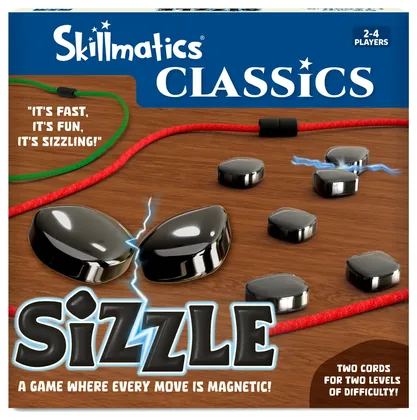
Sizzle
Place magnets inside a loop without letting them snap together.
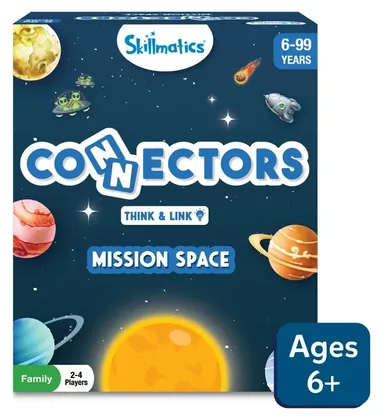
Connectors: Mission Space
Link picture tiles into a path through planets and galaxies
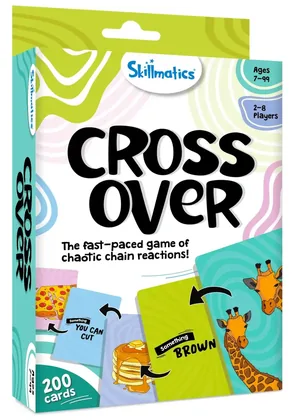
Crossover
Race to empty your hand by linking pictures and categories
More solo puzzles
Different games. A familiar kind of fun.
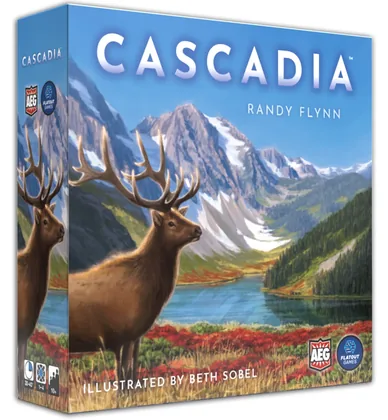
Cascadia
Build a Pacific Northwest landscape and fill it with wildlife
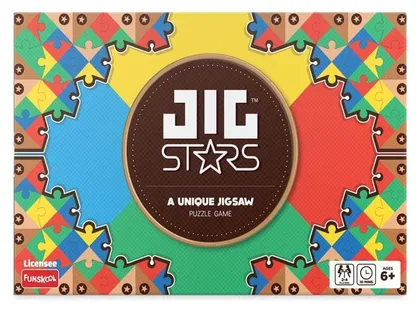
Jig Stars
Grab jigsaw pieces fast and build the highest-scoring puzzle
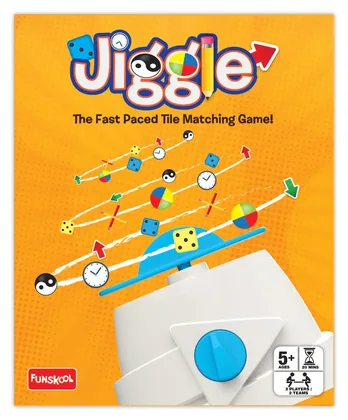
Jiggle
Copy the spinning picture with your tiles before your rival does
Klixokubes
Snap 27 magnetic cubes into colour patterns, from easy to hard
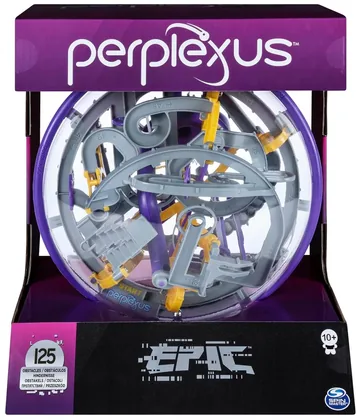
Perplexus Epic
A one-player 3D maze ball with 125 obstacles to beat
Questions people ask about Brain Blocks
How do you play Skillmatics Brain Blocks?
Pick a challenge card and build the structure in the picture with the blocks, matching each block's shape, colour, pattern and the way it faces. Some cards then ask a question, such as how many cubes you need to continue a pattern. The cards come in three levels, so you start easy and work up.
What age is Brain Blocks for?
Skillmatics says 4 to 7 years. Level 1 cards are for beginners and Level 3 cards are tricky enough for older children in that range. The box warns of small parts and says it is not suitable for children under 3.
Can two children play Brain Blocks together?
It is a puzzle for one child, and Skillmatics calls it solo play. Two of its other ways to play are for a grown-up and a child: building from memory after seeing a card for 20 seconds, and building from a spoken description. Brothers and sisters can take turns with the cards, but there are no rules for playing against each other.
Is Brain Blocks made in India?
Skillmatics' product page for Brain Blocks gives India as the country of origin and names Grasper Global Private Limited, Skillmatics' Mumbai-based company, as the manufacturer.
What is the difference between Brain Blocks and Klixokubes?
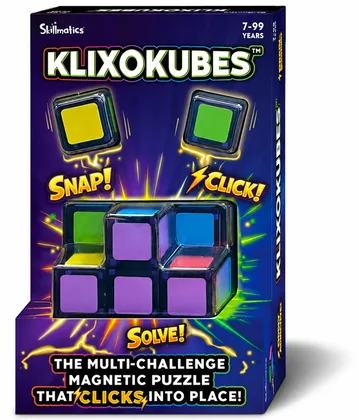
Both are Skillmatics puzzles for one. Brain Blocks is for ages 4 to 7: you copy picture cards with 25 chunky blocks. Klixokubes is for 7 and up: you snap 27 small magnetic cubes into a 3x3x3 cube so its faces show set colour patterns.
Game facts
- Publisher
- Skillmatics (Grasper Global Pvt Ltd, Mumbai, India)
- In India
- Skillmatics (Grasper Global Private Limited, Mumbai), which makes the game
- First published
- 2026
- Players
- 1
- Barcode
- 8904279518285
- Language
- Little reading – The builds are shown as pictures, so a child who can't read yet can play. Some cards add a short question in English, and the instruction manual is in English, so a grown-up may need to read those out.
- Box size and weight
- 38.8 × 28.7 × 4.8 cm, 0.7 kg
Sources & photo creditsThe references behind this guide.
Facts on this page come from the publisher, the Indian maker or distributor, and the sources below. Photos are credited under each one.
- Brain Blocks | 3D Early STEM Building Blocks for Kids (Skillmatics India product page)
- Brain Blocks product data (Skillmatics India store, item SKILL1778BB)
- Brain Blocks 'What's Inside!' picture with the set-up and how-to-play steps (Skillmatics India)
- Brain Blocks 'Multiple Ways to Play' picture (Skillmatics India)