
- Set-up
- About 2 min
- Reading
- Little
The quick verdict
Full verdict ↓Great for Children from 6 who love building towers and watching them wobble
Think twice if Toddlers share the play area: there are 60 small apples and a small Newton piece to keep track of
How we rate it
Learning curve. Play a card, do what it says, don't knock the tree over. A six-year-old picks it up in one round, so it sits with Jenga at 1 on our scale.
Luck & skill. Steady hands and smart placement matter most, but the cards you draw decide what you must do, and a bad card at the wrong moment can bring the tree down.
Interaction. Everyone builds the same tree, so each apple you hang can leave a nastier, wobblier tree for the next player.
Set-up. Stack a trunk, a branch and another trunk as the base, deal three cards to each player and put Newton at the foot of the tree.
Reading. The cards show colours, numbers and a few words; only the rules leaflet needs real reading.
Learning curve: 1 = UNO or Connect 4; 3 = Catan; 5 = a heavy strategy game. These describe the experience, not an overall score.
Is Newton's Tree right for you?
Great if
- Children from 6 who love building towers and watching them wobble
- Family evenings with 2 to 6 players, from cousins to grandparents
- Parents who like a hands-on game with a little science about balance behind it
- A birthday or Diwali gift for a child of about 6 to 9
Skip it if
- Toddlers share the play area: there are 60 small apples and a small Newton piece to keep track of
- You want a game of deep choices; steady hands and the luck of the cards decide most rounds
- You already own a stacking game such as Jenga and want something that plays very differently
How Newton's Tree plays
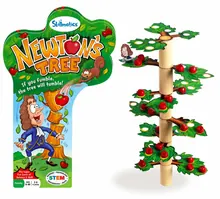
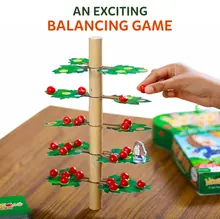
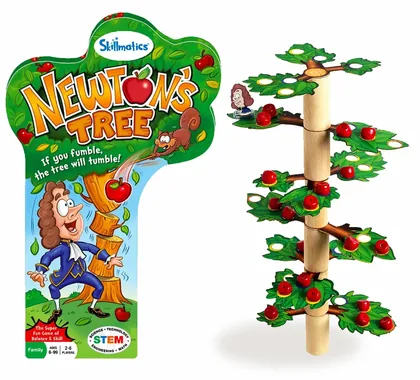
Set-up: stand one wooden trunk in the middle of the table, rest a branch on top of it and add a second trunk above the branch. That is the base of the tree. Shuffle the 54 cards, deal three to each player and leave the rest face down. Newton starts at the foot of the tree, and the 60 apples wait in a pile.
- Time to teach: about 5 minutes.
- Reading and language: The action cards use colours, numbers and a few English words (such as 'Add 2 apples'), so children who are just starting to read can follow them after a round or two. The rules leaflet is in English; the game itself can be played in any language.
Newtons Tree!! | Are You Ready To Play The Most Exciting Balancing Game? | Exciting and Fun |Ages 6+ · Skillmatics · Official
Choose a video · Watch right here
If this creator doesn’t allow embedded playback, watch on YouTube ↗.
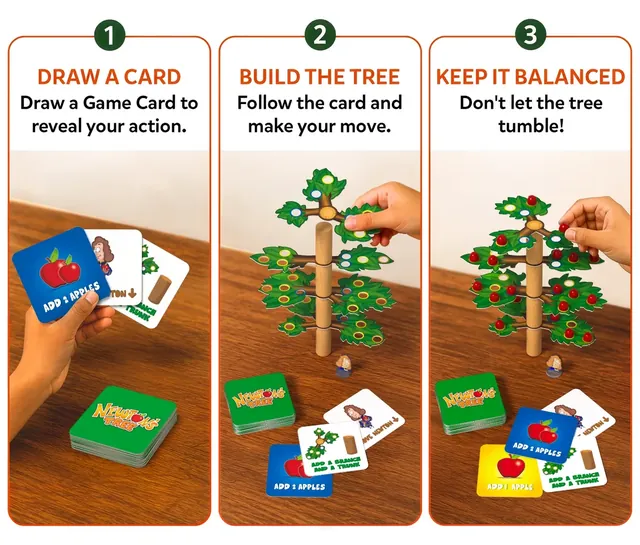
A turn, step by step
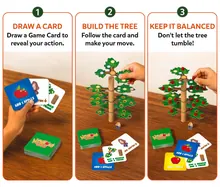
- 1Play
Choose one of the three cards in your hand and show it to everyone.
- 2Build
Do what the card says: hang apples on spots of its colour, pluck apples, add a branch and trunk, or move Newton. Then draw a new card.
- 3Win
Whoever topples the tree loses the round; the player who knocks it down least often, or the last one left, wins.
The full explanation: how a game of Newton's Tree goes
A turn: the youngest player starts and play goes clockwise. Choose one of your three cards, show it to everyone and do what it says. Apple cards tell you how many apples to hang and on which colour of spot (the branches have blue, yellow and orange circles). Other cards make you pluck apples off any branch, add a new branch with a trunk on top, or move Newton up or down to a coloured spot on another branch. Then draw a new card. You may use only one hand.
If none of your cards can be played, put one at the bottom of the pile and keep drawing until you can make a move. The round ends when someone knocks the tree over.
How you win: in the full rules, two or three players play five rounds, and whoever toppled the tree the fewest times wins. With more players, whoever topples it drops out, and the last player left wins. Skillmatics India's product page puts the goal more simply, as building the tallest tree without it falling, so agree which way you are playing before you start.
Tip: keep the weight even on both sides and hang apples close to the trunk; on the upper branches the blue spots sit nearest the middle, so they upset the balance least. For a solo challenge, try to build the whole tree with all 8 trunks, 8 branches and 60 apples.
What's in the box
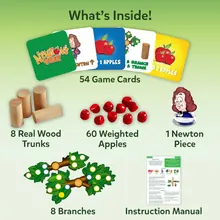
- 8Wooden trunks
real wood, says Skillmatics - 8Branches
with blue, yellow and orange spots where apples and Newton are placed - 60Weighted apples
- 1Newton piece
moves up and down the tree when a Newton card is played - 54Game cards
add apples, pluck apples, add a branch, or move Newton - 1Instruction manual
Box: 23 × 4.5 × 36.3 cm, 0.52 kg. Handy to know for gifting and travel.
Contents are from Skillmatics India's Newton's Tree page and product data (item SKILL28NTB, barcode 8904279500440); Indian store listings and the Amazon.in listing give the same list, and Skillmatics' international manual shows the same pieces. The card types are described from that manual. There is only one edition. Count the 60 apples back into the box after each game so none go missing.
Where to buy
How to make sure you get a genuine copyEditions and the details worth checking.
What reviewers and players say
We found no independent written reviews or forum threads about Newton's Tree, so this rests on Skillmatics' own information and two short videos. On paper it is a simple building-and-balancing game: cards tell you to hang apples, pluck them, add branches or move Newton, and the tree gets wobblier as it grows. It looks best for children from about 6 playing with family, with the cards adding variety that a plain stacking game lacks. Skillmatics pitches it as a STEM toy; treat that as the maker's claim and enjoy it as a hands-on family game.
What people love
- Real wooden trunks and a tree that gets wobblier as it grows, so the tension builds every turn
- Cards change what you must do each turn, so no two games build the same tree
- Plays 2 to 6, with a drop-out rule that keeps bigger family groups moving
- The box and rules introduce balance and centre of gravity in simple terms for curious children
Common complaints
- No independent reviews yet, so it is hard to say how the branches and apples hold up after many games
- Sixty small apples and a small Newton piece to keep track of, and to keep away from toddlers
- A bad card can force a risky move however careful you are
- Skillmatics India's page and the full rules describe the winner differently, so agree the scoring first
Based on 6 reviews and discussions
- Reference Newton's Tree | STEM Toy (ages 6+) (Skillmatics India, product page updated October 2026) · Skillmatics India
- Reference Newton's Tree downloadable Spanish manual (Skillmatics, May 2024) · Skillmatics
- Reference Newtons Tree!! | Are You Ready To Play The Most Exciting Balancing Game? (Skillmatics, September 2020) · YouTube (Skillmatics)
- Video Skillmatics Newton's Tree - A Super Fun Game of Balance and Strategy Building (Curio Kid, September 2022) · YouTube
- Reference Skillmatics Newton's Tree (Indian store listing) · Toycra
- Reference Newton's Tree (People of Play product listing) · People of Play
Summarised in our own words from the sources above. We don't use Amazon reviews or ratings.
More like Newton's Tree
Which game is the best fit?
Our picks if Newton's Tree isn't quite right.
Swipe to compare every game
| Compare the games.The details that make a difference. |
YOU’RE VIEWING
 Newton's Tree |
ANOTHER WAY TO PLAY
 Jenga |
ANOTHER WAY TO PLAY
 Brain Blocks |
ANOTHER WAY TO PLAY
 Animal Upon Animal |
|---|---|---|---|---|
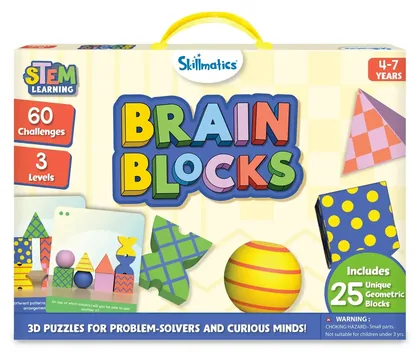
| Why consider it | This game Add apples and branches to a wobbly wooden tree without toppling it | A different fit The classic steady-hands tower game, where you pull blocks out instead of building up | A different fit Skillmatics' block puzzle for one child of 4 to 7: copy the 3D builds on picture cards | A different fit Another stacking game for young children, with wooden animals and a die |
| Players | 2–6 | 1–8 | 1 | 2–4 |
| Best with | 3-4 | 3-5 | 1 | 3-4 |
| Play time | 15–30 min | 5–15 min | 5–20 min | 10–15 min |
| Age | 6+ | 6+ | 4+ | 4+ |
| Rules | Easy | Easy | Easy | Easy |
| Indian edition | Available | Available | Available | Imported |
| On this page | Explore Jenga | Explore Brain Blocks | Explore Animal Upon Animal |
More from Skillmatics
Another way into their collection.
Guess in 10: Animal Kingdom
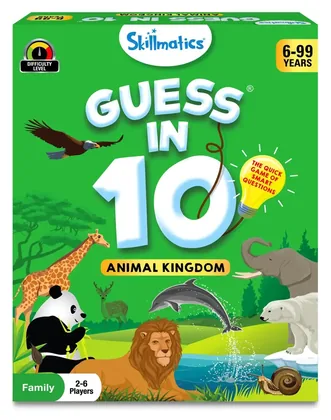
Ten yes-or-no questions to name the hidden animal

Rapid Rumble
Roll, flip a category, and shout words before the timer ends.

Sizzle
Place magnets inside a loop without letting them snap together.
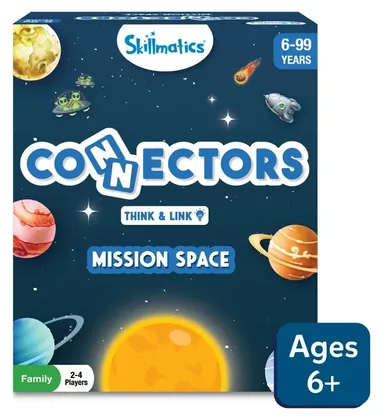
Connectors: Mission Space
Link picture tiles into a path through planets and galaxies
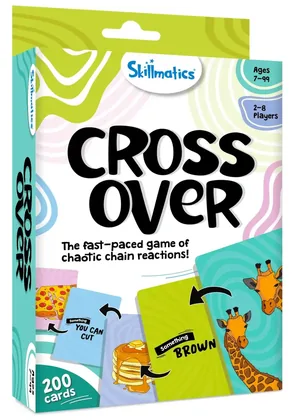
Crossover
Race to empty your hand by linking pictures and categories
More steady-hands games
Different games. A familiar kind of fun.
Jenga
Pull a block, stack it on top, don't topple the tower
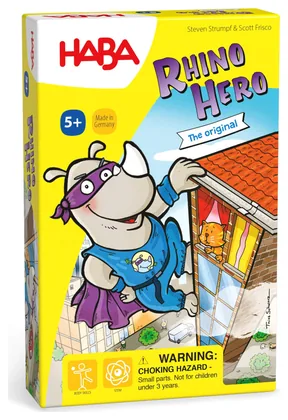
Rhino Hero
Build a wobbly card skyscraper without toppling the rhino
Sizzle
Place magnets inside a loop without letting them snap together.
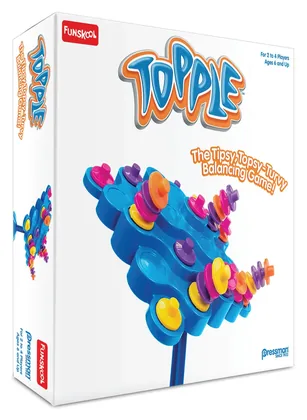
Topple
Roll, stack and score on a tower that tips and sways
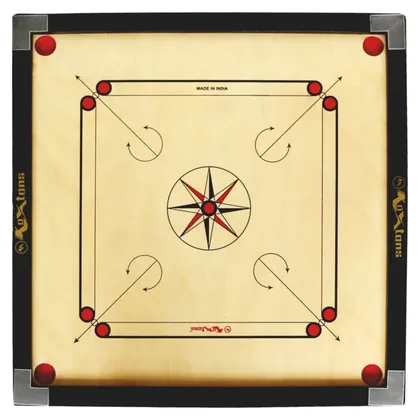
Carrom
Flick the striker, pocket your colour, then capture and cover the queen
Also playable with two
For game nights with two players.
Sizzle
Place magnets inside a loop without letting them snap together.
Carrom
Flick the striker, pocket your colour, then capture and cover the queen
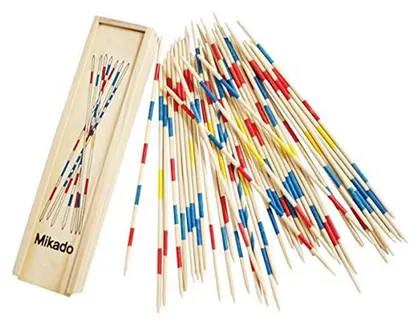
Mikado
Drop the sticks, then lift them one by one without a wobble
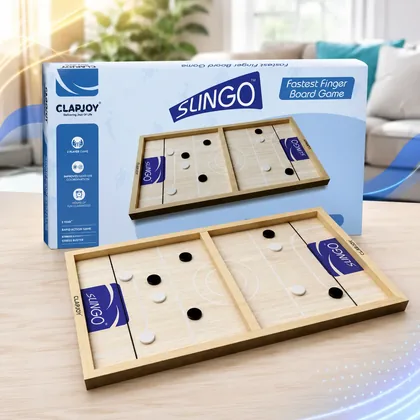
Sling Puck
Two players, ten pucks, one slot: clear your side first
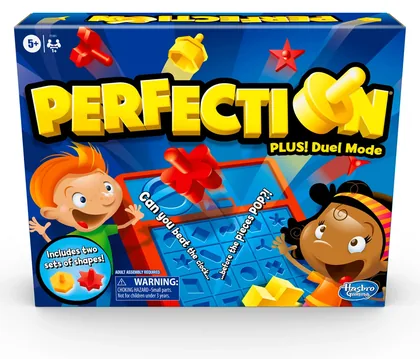
Perfection
Race the clock, or a friend, before the shape tray pops
Questions people ask about Newton's Tree
How do you play Newton's Tree?
Each player holds three cards. On your turn you play one and do what it says: hang apples on spots of a certain colour, pluck apples off, add a branch and trunk, or move Newton up or down the tree. Then you draw a new card, and whoever knocks the tree over loses the round.
What age is Newton's Tree for, and how many can play?
Skillmatics lists it for 2 to 6 players aged 6 and up. With two or three players the full rules have you play five rounds; with more, anyone who topples the tree drops out until one player is left.
Is Newton's Tree like Jenga?
Both need steady hands, but they work the other way round. In Jenga you pull blocks out of a tower; in Newton's Tree you build the tree up, and cards tell you what to add, remove or move each turn, which brings in a little luck and makes every game different.
Is Newton's Tree made in India?
Skillmatics' product page for the game gives India as the country of origin and names Grasper Global Private Limited, Skillmatics' Mumbai-based company, as the manufacturer.
Does Newton's Tree teach science?
Skillmatics sells it as a STEM toy, and the box names balancing masses, static equilibrium and centre of gravity as the ideas behind it; that is the maker's pitch. In practice, children soon learn that apples near the middle of a branch keep the tree steadier than apples at the ends.
Game facts
- Publisher
- Skillmatics (Grasper Global Pvt Ltd, Mumbai, India)
- In India
- Skillmatics (Grasper Global Private Limited, Mumbai), which makes the game
- Players
- 2–6
- Barcode
- 8904279500440
- Language
- Little reading – The action cards use colours, numbers and a few English words (such as 'Add 2 apples'), so children who are just starting to read can follow them after a round or two. The rules leaflet is in English; the game itself can be played in any language.
- Box size and weight
- 23 × 4.5 × 36.3 cm, 0.52 kg
Sources & photo creditsThe references behind this guide.
Facts on this page come from the publisher, the Indian maker or distributor, and the sources below. Photos are credited under each one.
- Newton's Tree | STEM Toy (ages 6+) (Skillmatics India product page)
- Newton's Tree product data (Skillmatics India store, item SKILL28NTB)
- Newton's Tree downloadable manual, Spanish (Skillmatics international site)
- Spanish manuals page (Skillmatics international site, lists the Newton's Tree manual)
- Skillmatics play videos page (lists the Newton's Tree video)
- Toycra – Skillmatics Newton's Tree (country of origin, manufacturer address, age)