
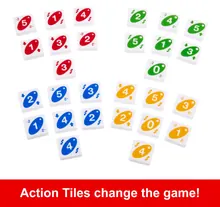
- Set-up
- Under a minute
- Reading
- None
The quick verdict
Full verdict ↓Great for Families with children of 7 and up who like both Connect 4 and UNO
Think twice if You want a card game to carry in a pocket: this is a plastic grid with trays and a bag of tiles
How we rate it
Learning curve. One matching rule and three action tiles. Children of 7 pick it up in a game, though watching both colour and number lines takes a little practice.
Luck & skill. The tiles you draw are random, but where you drop them, and when you block, decides most games. Reviewers saw both quick lucky wins and long defensive games.
Interaction. Everyone builds on one shared board, so most moves are about blocking someone else, and Swap, Push and Minus 2 all change things for other players.
Set-up. Slot the seven trays into the base, put the tiles in the bag and give it a shake, then everyone draws three.
Reading. Tiles carry colours, numbers and symbols only; the rule sheet is the only text.
Learning curve: 1 = UNO or Connect 4; 3 = Catan; 5 = a heavy strategy game. These describe the experience, not an overall score.
Is UNO Quatro right for you?
Great if
- Families with children of 7 and up who like both Connect 4 and UNO
- Two-player evenings: it works well with just two
- A quick game before dinner or on a school holiday afternoon; most games take 10 to 20 minutes
- Colour-blind players: every tile carries Mattel's colour symbols
Skip it if
- You want a card game to carry in a pocket: this is a plastic grid with trays and a bag of tiles
- You usually play with more than four people
- You want a deep strategy game: the tiles you draw from the bag still decide some games
How UNO Quatro plays
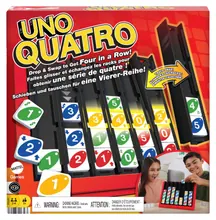
Set the plastic base in the middle of the table, put all 44 tiles in the bag and shake it. Each player draws three tiles as a hand. The youngest player goes first, and play goes clockwise.
- Time to teach: about 5 minutes.
- Reading and language: The tiles carry only colours, numbers and action symbols, so nobody needs to read during play. Mattel's rule sheet is in English, and the rules are easy to explain in Hindi or any language.
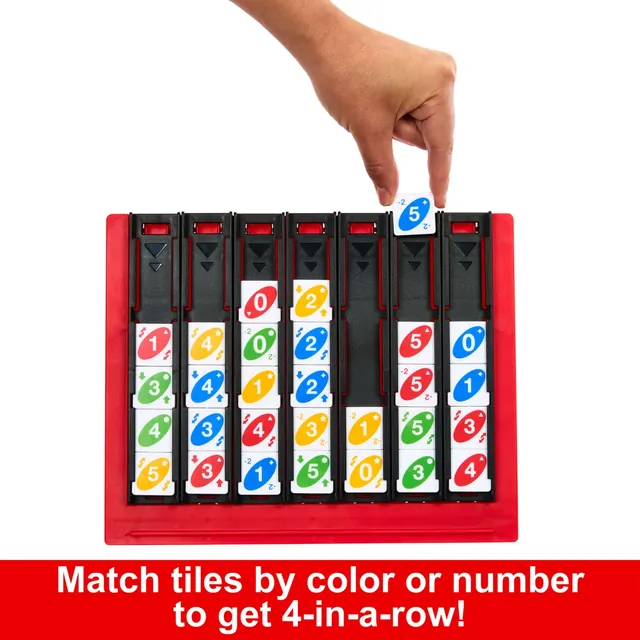
How to play UNO QUATRO (official rules, instructions and gameplay) | boardgamesTV x Mattel Games · boardgamesTV
Choose a video · Watch right here
If this creator doesn’t allow embedded playback, watch on YouTube ↗.
A turn, step by step
- 1Drop
Drop one of your three tiles into any tray. If it touches other tiles, it must match one by colour or number.
- 2Act
If your tile has an action symbol, carry it out: swap two trays, push the bottom tile out, or make the next player lose two tiles.
- 3Refill
Draw from the bag until you hold three tiles again.
- 4Win
Be first to line up four tiles that share a colour or a number, across, down or diagonally.
The full explanation: how a game of UNO Quatro goes
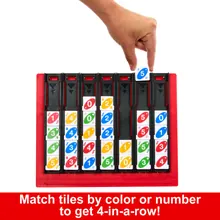
On your turn, drop one tile into the top of any of the seven trays so it falls to the lowest empty space. If it lands next to other tiles (below, beside or diagonally), it must match at least one of them by colour or by number; it doesn't have to match them all. Tiles on the board belong to nobody, so any player can build on them.
If none of your tiles can be played, put one back in the bag and draw another; play it if you can, or your turn ends. Either way, finish by drawing back up to three tiles.
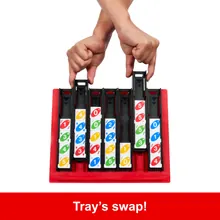
Some tiles carry an action symbol, and you must carry it out when you play one. Swap: change the places of any two trays. Push: press your tile down so the bottom tile in that tray drops out and goes back in the bag, and everything above it slides down. Minus 2: the next player puts two random tiles from their hand back in the bag and plays their next turn with only one.
The first player to line up four tiles across, down or diagonally that all share a colour or a number wins. This is the big difference from classic UNO: there are no cards to shed and no hand to empty, only a shared board where you build lines and block everyone else's. Tip: reviewers found that blocking is half the game, so before you drop a tile, check that it doesn't hand the next player three in a row.
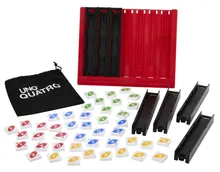
What's in the box
- 44Tiles
in red, blue, green and yellow with colour-blind symbols, some with Swap, Push or Minus 2 action symbols; a published review counts 11 per colour, numbered 0 to 5 - 7Trays
removable columns that slide in and out of the base - 1Bag
holds the tiles; you draw from it - 1Base
the plastic grid that holds the trays - 1Instruction sheet
Contents as Mattel lists them for item HPF82 on its shop pages and rule sheet: 44 tiles, 7 trays, 1 bag and 1 base. Mattel doesn't say how many tiles of each number or action there are. The same box is sold in the US, the UK and India.
Where to buy
How to make sure you get a genuine copyEditions and the details worth checking.
What reviewers and players say
Reviewers found more to UNO Quatro than its simple rules suggest. Dale Yu of The Opinionated Gamers says it was 'filled with laughs and more strategy than I expected', because everyone shares one board and you spend much of the game blocking, and he recommends it highly for family game night. The Toy Insider's Kristine Kearns praises the colour-blind symbols, the sturdy trays and the bag that makes packing up easy, and thinks it suits older children, tweens and adults best. Both note that luck plays a part: some games end quickly when the right tile turns up.
What people love
- More strategy than it looks: you are always blocking as well as building
- Swap and Push tiles can turn the board around in a single move
- Sturdy trays that slide in and out easily
- Colour-blind symbols on every tile, and a bag that makes packing up simple
Common complaints
- At first it can feel like a lot to track: colour lines and number lines at the same time
- A lucky draw can end a game quickly
- Only up to four players
Based on 4 reviews and discussions
- Review Dale Yu: Review of UNO Quatro (Dale Yu, August 2023) · The Opinionated Gamers
- Review UNO Quatro review (Kristine Kearns, January 2024) · The Toy Insider
- Reference UNO Quatro instruction sheet (Mattel, 2022) · Mattel
- Reference UNO Quatro, item HPF82 (Mattel, read October 2026) · Mattel Shop
Summarised in our own words from the sources above. We don't use Amazon reviews or ratings.
More like UNO Quatro
Which game is the best fit?
Our picks if UNO Quatro isn't quite right.
Swipe to compare every game
| Compare the games.The details that make a difference. |
YOU’RE VIEWING
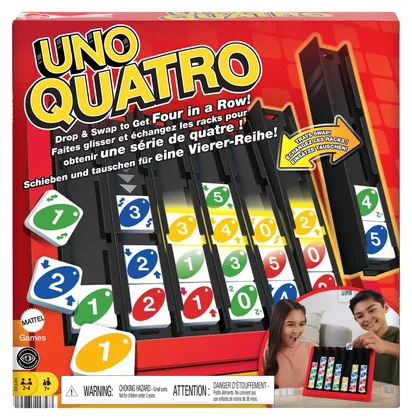 UNO Quatro |
ANOTHER WAY TO PLAY
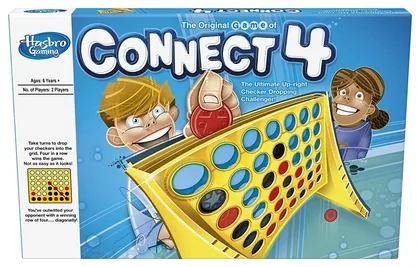 Connect 4 |
ANOTHER WAY TO PLAY
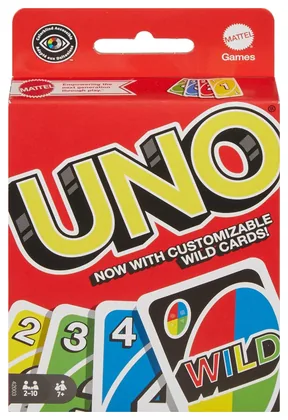 UNO |
ANOTHER WAY TO PLAY
 Qwirkle |
|---|---|---|---|---|
| Why consider it | This game UNO meets four in a row: drop tiles, match colours or numbers | A different fit The classic drop-and-connect game: four in a row by colour alone, no numbers or actions | A different fit The card game that lends Quatro its colours, numbers and action ideas; you race to empty your hand | A different fit Another tile game about matching colours or shapes in lines, with a little more planning |
| Players | 2–4 | 2 | 2–10 | 2–4 |
| Best with | 2-4 | 2 | 4-6 | 2-4 |
| Play time | 10–20 min | 5–15 min | 10–30 min | 30–45 min |
| Age | 7+ | 6+ | 7+ | 6+ |
| Rules | Easy | Easy | Easy | Easy |
| Indian edition | Imported | Available | Imported | Imported |
| On this page | Explore Connect 4 | Explore UNO | Explore Qwirkle |
More from Mattel
Another way into their collection.
UNO
Match colours or numbers, then shout UNO before anyone catches you.
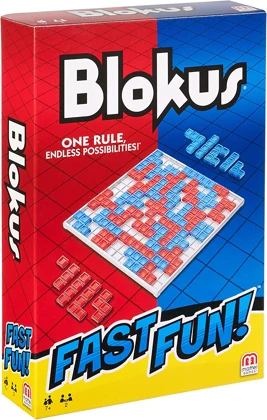
Blokus Fast Fun
A compact duel for two: fit your shapes, protect your corners, block your opponent

Pictionary
Sketch the clue for your team, no letters or talking

Phase 10
Rummy with a twist: clear ten set targets in order
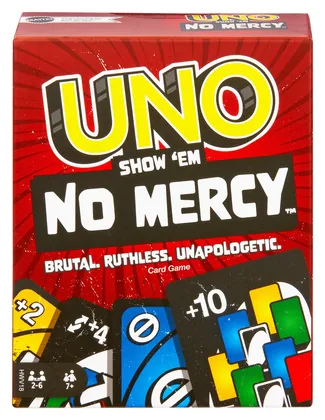
UNO Show 'em No Mercy
UNO with stacking, hand swaps, Wild Draw 10s and knockouts
More pure strategy games
Different games. A familiar kind of fun.
Qwirkle
Match colours or shapes to build lines of six tiles
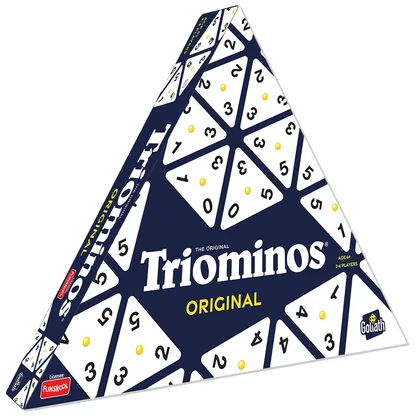
Triominos
Dominoes with three corners: match numbers, build hexagons, score big
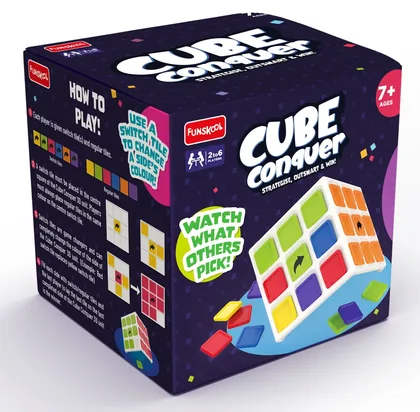
Cube Conquer
Match colour tiles on a 3D cube and lay the last one
Blokus Fast Fun
A compact duel for two: fit your shapes, protect your corners, block your opponent
Connect 4
Drop discs, block your rival and get four in a row
Questions people ask about UNO Quatro
What is the difference between UNO and UNO Quatro?
UNO is a card game where you race to empty your hand. UNO Quatro is a board game: you drop tiles into a seven-column grid and try to make four in a row that share a colour or a number. It borrows UNO's colours and the idea of matching, and has its own action tiles: Swap, Push and Minus 2.
Is UNO Quatro like Connect 4?
Yes, the goal is the same: four in a row across, down or diagonally. The differences are that each tile must match a neighbouring tile by colour or number, any player can use any tile on the board, and action tiles can swap columns or push tiles out of the bottom.
How many players can play UNO Quatro, and what age is it for?
Mattel says 2 to 4 players, ages 7 and up. Each player holds three tiles at a time, drawn from the bag, so turns are quick.
What do the action tiles do in UNO Quatro?
Swap makes you change the places of any two trays. Push makes you press your tile down so the bottom tile in that tray drops out and goes back into the bag. Minus 2 makes the next player return two random tiles to the bag, so they play their next turn with just one.
Is UNO Quatro made in India?
As far as we can tell, no. Mattel sells the same box worldwide, and the Amazon.in listing names a factory in Vietnam as maker and Mattel's Indian company as importer.
Game facts
- Publisher
- Mattel (Mattel Games)
- In India
- Mattel Toys (I) Pvt. Ltd. (named as importer on the Amazon.in listing)
- First published
- 2023
- Players
- 2–4
- Barcode
- 194735157563
- Language
- No reading – The tiles carry only colours, numbers and action symbols, so nobody needs to read during play. Mattel's rule sheet is in English, and the rules are easy to explain in Hindi or any language.
Sources & photo creditsThe references behind this guide.
Facts on this page come from the publisher, the Indian maker or distributor, and the sources below. Photos are credited under each one.
- Mattel Shop (US) - UNO Quatro, item HPF82
- Mattel Shop (UK) - UNO Quatro, item HPF82
- Mattel consumer service - UNO Quatro (HPF82) product page
- Mattel - UNO Quatro instruction sheet (HPF82)
- The Opinionated Gamers - Dale Yu: Review of UNO Quatro (August 2023)
- The Toy Insider - UNO Quatro review (Kristine Kearns, January 2024)