
- Set-up
- About 3 min
- Reading
- Little
The quick verdict
Full verdict ↓Great for Children of 5 to 7 who are learning to wash, brush and get ready for bed on their own
Think twice if Your children are 8 or older: the tasks will feel too easy
How we rate it
Learning curve. Roll, move and answer one question about a daily routine: children of 5 follow it quickly, which puts it at 1 on our scale with UNO.
Luck & skill. The die and the swap, lose-a-card and miss-a-turn spaces decide a lot. The skill is remembering the steps you heard at the start.
Interaction. Swap Card spaces let you trade a spare card with another player, and everyone hears every question and answer.
Set-up. Lay out the board, shuffle the cards onto their space and put the pawns home. The judge then reads all 12 tasks from the answer sheet, which takes a few minutes.
Reading. The cards and answer sheet are read aloud by the judge, so the children playing don't need to read.
Learning curve: 1 = UNO or Connect 4; 3 = Catan; 5 = a heavy strategy game. These describe the experience, not an overall score.
Is Four Steps right for you?
Great if
- Children of 5 to 7 who are learning to wash, brush and get ready for bed on their own
- A parent playing judge, reading the cards and talking through each routine
- Practising listening and remembering things in order, with no reading needed from the child
- A small, practical return gift for a child starting school
Skip it if
- Your children are 8 or older: the tasks will feel too easy
- Nobody can read the English cards aloud; a grown-up or older child has to act as judge
- You want a game adults enjoy for its own sake: the die and the board spaces decide a lot
How Four Steps plays
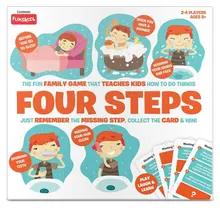
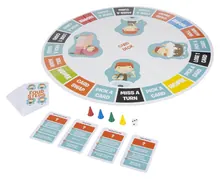
Set-up: open the board, shuffle the 48 task cards into one pile on the space marked for them, and put each player's coloured pawn on its matching home space. There are 12 everyday tasks, such as washing your hands, brushing your teeth, going to bed and table manners, and each task is split across four cards. A grown-up acts as the judge and, before play starts, reads all 12 tasks from the answer sheet, step by step, while everyone listens.
- Time to teach: about 5 minutes.
- Reading and language: The task cards and answer sheet are in English, but a parent or an older player reads them aloud, so young children only listen and answer. The rules accept any answer close to the printed step, so children can answer in Hindi, Tamil or whatever language they think in.
Four Steps Board Game ( Telugu ) | Unboxing | How to play | #kidsgames #boardgames #educationalgames · DSquareToysAndGames
If this creator doesn’t allow embedded playback, watch on YouTube ↗.
A turn, step by step
- 1Roll
Roll the die and move your pawn clockwise round the board.
- 2Answer
On a Pick Up a Card space, the judge reads a task with one step missing; say the missing step to keep the card.
- 3Swap
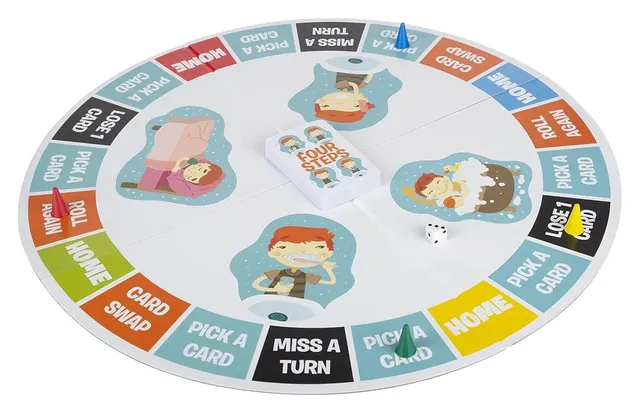
Other spaces make you swap or lose a spare card, miss a turn or roll again.
- 4Win
Collect three complete sets of four task cards and get back to your home space first.
The full explanation: how a game of Four Steps goes
A turn: roll the die and move your pawn clockwise round the board. On a Pick Up a Card space, the judge reads the top card aloud: the task's name, then its four numbered steps in order, saying 'blank' for the one step that is missing. Say the missing step and you keep the card; get it wrong and it goes to the bottom of the pile. The rules say the answer only needs to be close to the one on the answer sheet.
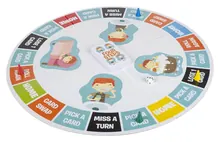
Other spaces shake things up. Swap Card makes you swap one of your spare cards with another player, Lose a Card sends one of your spare cards back to the pile, and Miss a Turn and Roll Again do what they say. Cards in a set you have already completed are safe from swaps and losses.
Winning: the first player to collect three complete sets of four cards and get back to their own home space wins.
Tip: with younger children, let them act out a step if the words won't come, and accept answers in your home language. Afterwards, try one of the tasks for real, like washing hands in four steps before dinner.
What's in the box
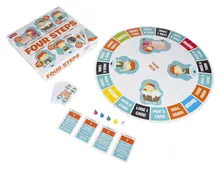
- 1Game board
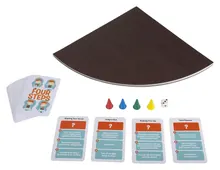
a track with Pick Up a Card, Swap Card, Lose a Card, Miss a Turn, Roll Again and home spaces - 48Task cards
12 everyday tasks, 4 cards each; every card lists the task's four steps with one missing - 1Answer sheet
all 12 tasks with their four steps, for the judge - 4Pawns
one per colour, matching the home spaces - 1Die
- 1Instructions
in English
From the contents list on Funskool's box back and rules sheet ('1 Game Board, 48 Task Cards (4 cards x 12 sets), 1 Answer Sheet, 4 Pawns, 1 Dice, Instructions'). The board spaces come from the rules sheet. Funskool's product page doesn't list the contents.
Where to buy
How to make sure you get a genuine copyEditions and the details worth checking.
What reviewers and players say
No independent written reviews or forum threads about Four Steps could be found, so this rests on Funskool's own material. Funskool pitches it as a family game that teaches children how to do simple everyday tasks correctly, in four easy steps. The rules make a parent the judge, reading every task aloud before play and then one card at a time, so it works best as a game children play with a grown-up rather than on their own. Expect a gentle, chatty game for 5 to 7 year olds, with the die and the board spaces deciding as much as memory.
What people love
- Turns daily routines like hand-washing and teeth-brushing into a game children want to win
- Children don't need to read: a grown-up reads every card aloud
- Close-enough answers count, so children can reply in their own words and language
- Made in India by Funskool, with its rules sheet available online
Common complaints
- Needs a grown-up or older child as judge, so it isn't a game young children can play alone
- The tasks are simple, so children of about 8 and up may find it too easy
- Swap and lose-a-card spaces can take away cards a child has worked for, which can upset younger players
Based on 4 reviews and discussions
- Reference 4 Steps (Funskool, read October 2026) · Funskool
- Reference Four Steps instructions sheet (Funskool, read October 2026) · Funskool
- Reference Funskool Four Steps-A Simple Game for Daily Routine (store description, read October 2026) · Toycra
- Reference Life inside The Fantastic Factory (David Snow, June 2017) · Mojo Nation
Summarised in our own words from the sources above. We don't use Amazon reviews or ratings.
More like Four Steps
Which game is the best fit?
Our picks if Four Steps isn't quite right.
Swipe to compare every game
| Compare the games.The details that make a difference. |
YOU’RE VIEWING
 Four Steps |
ANOTHER WAY TO PLAY
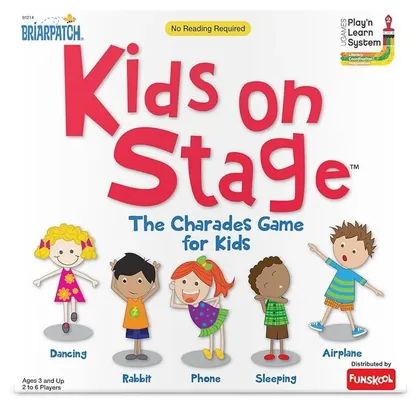 Kids On Stage |
ANOTHER WAY TO PLAY
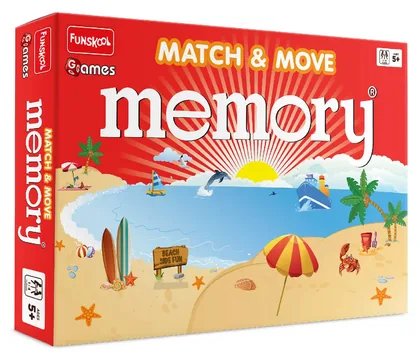 Match & Move Memory |
ANOTHER WAY TO PLAY
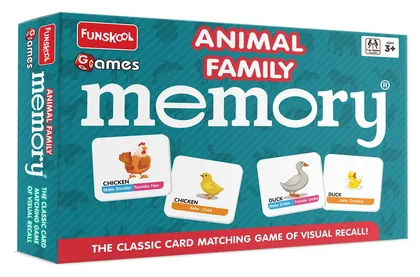 Memory Animal Family |
|---|---|---|---|---|
| Why consider it | This game Remember the missing step of everyday tasks and collect the cards | A different fit Another board game for young children made by Funskool in India: spin, move and act out picture cards | A different fit Funskool's memory board game: remember where pictures hide to race your piece home | A different fit A made-in-India memory game from age 3: match each animal baby to its parents |
| Players | 2–4 | 2–6 | 1–4 | 1–4 |
| Best with | 3-4 | 3-6 | 2-3 | 2-3 |
| Play time | 20–30 min | 15–20 min | 15–20 min | 10–20 min |
| Age | 5+ | 3+ | 5+ | 3+ |
| Rules | Easy | Easy | Easy | Easy |
| Indian edition | Available | Available | Available | Available |
| On this page | Explore Kids On Stage | Explore Match & Move Memory | Explore Memory Animal Family |
More from Funskool
Another way into their collection.
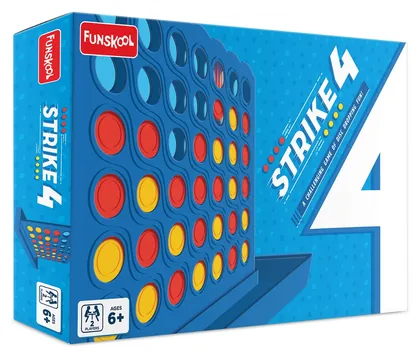
Strike 4
Drop discs, block your rival and line up four first
Match & Move Memory
Remember where each picture hides and race your piece home
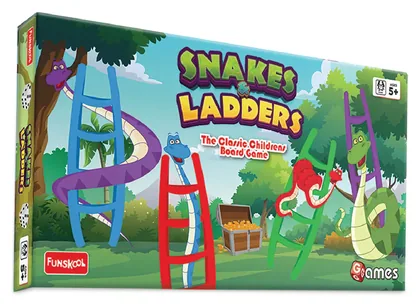
Snakes and Ladders
Climb the ladders, dodge the snakes, first to 100 wins
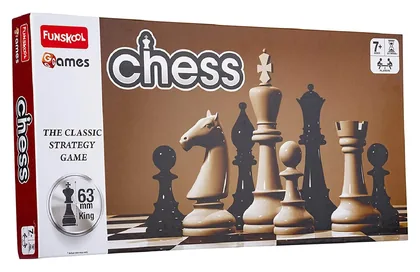
Chess
The two-player battle of wits that began in India as chaturanga
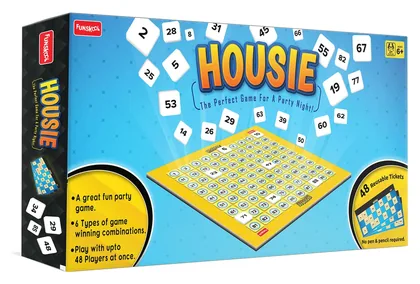
Housie (Tambola)
Strike off called numbers and shout first for lines and Full House
More memory games
Different games. A familiar kind of fun.
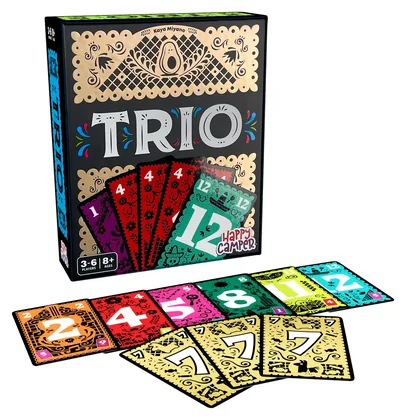
Trio
Find three of a kind by asking for highest and lowest cards
Match & Move Memory
Remember where each picture hides and race your piece home
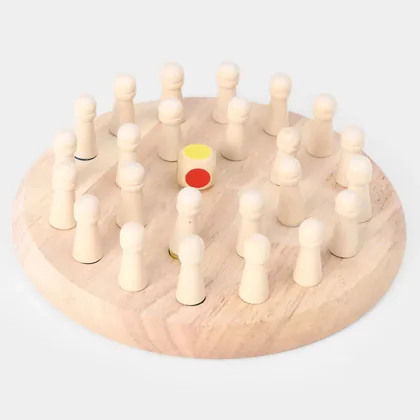
Memory Chess
Remember where the colours hide and pull out the right peg

SKYJO
Swap and flip cards to finish each round with the lowest score
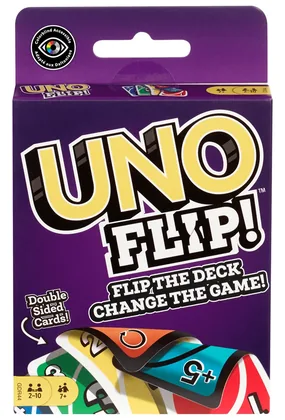
UNO Flip!
Flip every card over to UNO's nastier Dark Side and back again
Also playable with two
For game nights with two players.
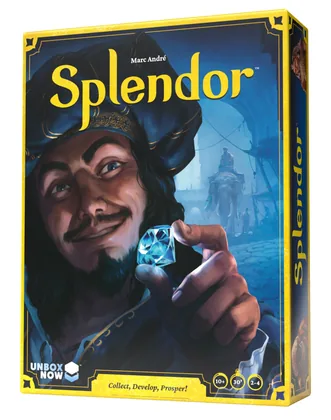
Splendor
A quick gem-trading race where every card makes the next easier.

Jaipur
Two rival merchants trade goods and camels in old Jaipur
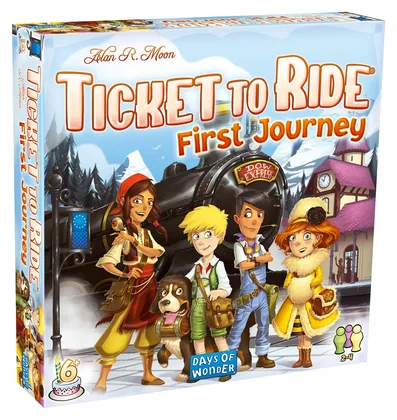
Ticket to Ride: First Journey
A shorter, simpler Ticket to Ride made for children six and up
Match & Move Memory
Remember where each picture hides and race your piece home
Memory Chess
Remember where the colours hide and pull out the right peg
Questions people ask about Four Steps
How do you play Four Steps?
Roll the die and move round the board. When you land on a Pick Up a Card space, a grown-up reads a task card aloud with one of its four steps missing; say the missing step to keep the card. The first player to collect three complete sets of four cards and get back home wins.
What age is Four Steps for?
Funskool's box and website say 5 years and up, for 2 to 4 players, although some listings say 3 and up. The tasks are simple daily routines, so it suits children of about 5 to 7; a younger child can play on a team with a parent.
Does my child need to read to play Four Steps?
No. A parent or older player reads each card aloud and says 'blank' for the missing step, and the child answers out loud. The cards are in English, but the rules accept any answer close to the right one, so children can answer in their home language.
Which tasks are in Four Steps?
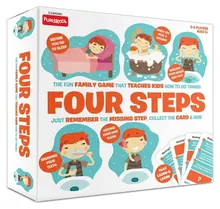
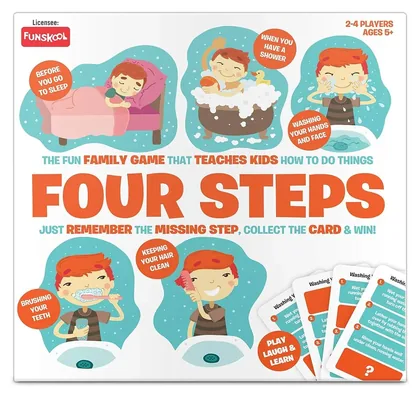
There are 12 everyday tasks, each split across four cards, and an answer sheet with all of them. Funskool's photos show tasks such as washing your hands, brushing your teeth, washing your hair, going to bed and table manners.
Who makes Four Steps?
Funskool makes it in India under licence from The Fantastic Factory, whose name and logo are trademarks printed on the rules sheet. Funskool's product code for the game is 9583400.
Game facts
- Publisher
- Funskool, under licence from The Fantastic Factory (the rules sheet names Funskool as licensee and The Fantastic Factory as trademark owner)
- In India
- Funskool (India) Ltd, Chennai, which makes it in India under licence from The Fantastic Factory
- Players
- 2–4
- Barcode
- 8901383958341
- Language
- Some English – The task cards and answer sheet are in English, but a parent or an older player reads them aloud, so young children only listen and answer. The rules accept any answer close to the printed step, so children can answer in Hindi, Tamil or whatever language they think in.
Sources & photo creditsThe references behind this guide.
Facts on this page come from the publisher, the Indian maker or distributor, and the sources below. Photos are credited under each one.