
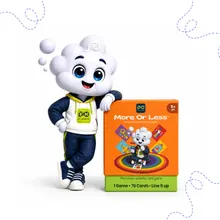
- Set-up
- Under a minute
- Reading
- Little
The quick verdict
Full verdict ↓Great for Children of 5 to 9 who are learning to compare amounts and put things in order
Think twice if Someone at the table finds colours hard to tell apart: every card is about how much of one colour you can see
How we rate it
Learning curve. Place a card or call Stop!: one simple choice a turn, like UNO, so 1 on our scale, though judging gets harder as the row grows.
Luck & skill. The card you draw is luck, but placing it well and choosing when to call Stop! are judgement.
Interaction. Everyone builds one shared row, and a Stop! call decides who scores: the challenger if the row is wrong, everyone else if it is right.
Set-up. Shuffle both decks, turn over a colour card and lay one pattern card to start the row.
Reading. The cards are colour patterns; the backs show percentages, and the rule card is in English.
Learning curve: 1 = UNO or Connect 4; 3 = Catan; 5 = a heavy strategy game. These describe the experience, not an overall score.
Buying link pausedWe haven’t found an available Amazon listing for this edition.
Is More or Less right for you?
Great if
- Children of 5 to 9 who are learning to compare amounts and put things in order
- Mixed-age family rounds: a grown-up and a five-year-old judge the same cards
- Players who enjoy a tense call: keep placing, or call Stop! and risk handing everyone else a point
- A small box of cards to take on a train journey or to a cousin's house
Skip it if
- Someone at the table finds colours hard to tell apart: every card is about how much of one colour you can see
- You want more than four players: PlayHaus says 2 to 4
- Your child can't yet read or compare numbers and no grown-up is playing: checking the row means reading percentages
How More or Less plays
Set-up: shuffle the 7 colour cards face down and turn the top one over; that is the colour for the round. Shuffle the 70 pattern cards with the patterns up and the percentages on their backs hidden, and lay one card in the middle of the table to start the row.
- Time to teach: about 5 minutes.
- Reading and language: The pattern and colour cards have no words. Checking the row means reading the percentages on the card backs, and the rule card is in English, so a grown-up may read both out for young children; the table talk can be in any language.
A turn, step by step
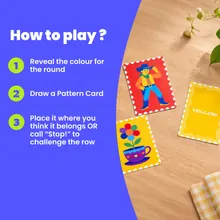
- 1Colour
Turn over a colour card: that is the colour for the round.
- 2Place
Put the top pattern card into the row, from least of that colour on the left to most on the right.
- 3Stop
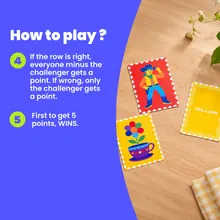
Or call Stop!: if the percentages on the backs are in order, everyone else scores; if not, the challenger scores.
- 4Win
PlayHaus's web page says the first to 3 points wins, or play all 7 colours and the most points wins.
The full explanation: how a game of More or Less goes
A turn: take the top pattern card and put it where you think it belongs: at the left end, at the right end or between two cards. The row should run from the least of the round's colour on the left to the most on the right.
Calling Stop!: instead of placing a card, you can look over the whole row and call Stop! if you think a card is out of place. That ends the round. Turn the cards over and read the percentages for the round's colour from left to right: if they go up in order, every player except the challenger scores a point; if they don't, only the challenger scores.
Winning: clear the row, shuffle the pattern cards and turn over a new colour card for the next round. PlayHaus's web page says the first to 3 points wins, or for a longer game play all 7 colours and the most points wins; one of its how-to-play pictures says first to 5 points, so check the rule card in your box and agree the target first.
A tip: the longer the row, the more likely a card is out of place, but a wrong Stop! gives a point to every other player, so with four players think twice before you call. With young children, let them place the cards and have a grown-up read out the percentages.
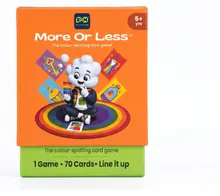
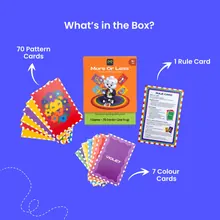
What's in the box
- 70Pattern cards
colourful patterns on the front, percentages for each colour on the back - 7Colour cards
one for each colour - 1Rule card
Box: 0.15 kg. Handy to know for gifting and travel.
From PlayHaus's product page and FAQ (70 Pattern Cards, 7 Color Cards and 1 Rule Card) and its 'What's in the Box?' picture, which agree with the Amazon.in listing (77 cards). There is one edition.
Where to buy
Buying link pausedWe haven’t found an available Amazon listing for this edition.
How to make sure you get a genuine copyEditions and the details worth checking.
What reviewers and players say
We found no independent reviews, videos or forum threads about More or Less, which PlayHaus put on sale in October 2026, so this rests on PlayHaus's own page, FAQ and pictures. On paper it is a quick, clever card game that turns looking closely into a contest: everyone judges the same cards, so a sharp-eyed child can hold their own against grown-ups. The Stop! call adds a real decision on every turn, because a wrong challenge gives a point to everyone else. PlayHaus's web page and one of its pictures give different winning targets, so agree one before you start.
What people love
- A grown-up and a five-year-old can play the same game
- A new target colour every round
- The Stop! call: a real choice on every turn
- A small box of cards that is easy to carry
Common complaints
- No independent reviews yet
- PlayHaus's web page and one of its pictures give different winning targets (3 or 5 points)
- Checking the row means reading percentages, which young children may need help with
4 research sources
- Reference More or Less (PlayHaus product page, October 2026) · PlayHaus
- Reference More or Less shop data (PlayHaus, October 2026) · PlayHaus
- Reference PlayHaus Games home page (PlayHaus) · PlayHaus
- Reference Terms of Use (PlayHaus, Hangtime Games Private Limited) · PlayHaus
Summarised in our own words from the sources above. We don't use Amazon reviews or ratings.
More like More or Less
Which game is the best fit?
Our picks if More or Less isn't quite right.
Swipe to compare every game
| Compare the games.The details that make a difference. |
YOU’RE VIEWING
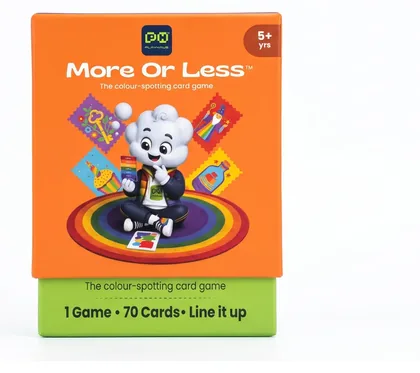 More or Less |
ANOTHER WAY TO PLAY
 The Mind |
ANOTHER WAY TO PLAY
 Wavelength |
ANOTHER WAY TO PLAY
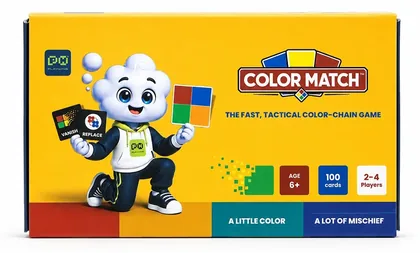 Color Match |
|---|---|---|---|---|
| Why consider it | This game Line up the cards from least to most colour, then call Stop | A different fit Another game of putting cards in order, played as a team without talking, from 8 | A different fit Judge where something sits on a scale, for older children and adults | A different fit PlayHaus's other colour card game: build chains in your colour, from 6 |
| Players | 2–4 | 2–4 | 2–12 | 2–4 |
| Best with | 3-4 | 3-4 | 6-12 | 3-4 |
| Play time | 20 min | 15–25 min | 30–45 min | 15–30 min |
| Age | 5+ | 8+ | 14+ | 6+ |
| Rules | Easy | Easy | Easy | Easy |
| Indian edition | Available | Imported | Imported | Available |
| On this page | Explore The Mind | Explore Wavelength | Explore Color Match |
More from PlayHaus
Another way into their collection.
Color Match
Build chains in your colour and break everyone else's
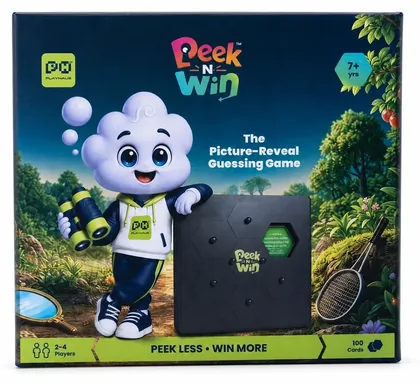
Peek N Win
Lift as few lids as you can, then guess the hidden answer
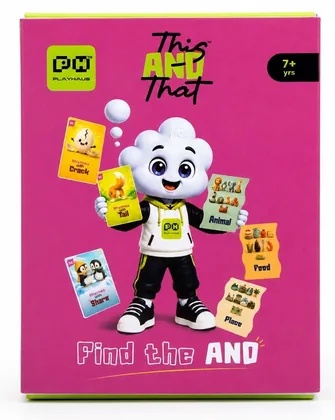
PlayHaus This & That
Find one word that rhymes with one card and fits the other
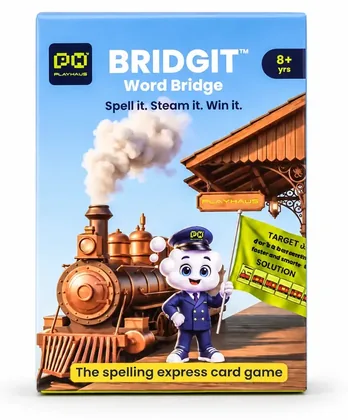
Bridgit: Word Bridge
Spell a word that fits the challenge and steam home first
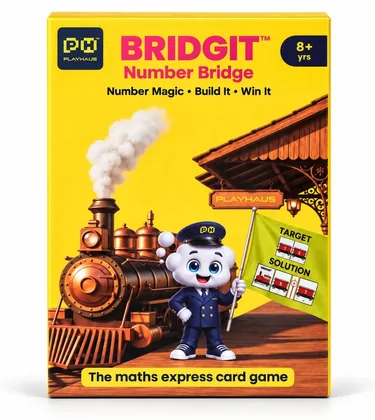
Bridgit: Number Bridge
Turn digits and signs into a sum that hits the target
More push-your-luck games
Different games. A familiar kind of fun.

Jaipur
Two rival merchants trade goods and camels in old Jaipur

Exploding Kittens
Draw cards, dodge the exploding kitten, survive to the end

King of Tokyo
Roll dice as a giant monster and fight to rule Tokyo.

Flip 7
Flip cards, push your luck, and bank your points before you bust

SKYJO
Swap and flip cards to finish each round with the lowest score
Also playable with two
For game nights with two players.
Jaipur
Two rival merchants trade goods and camels in old Jaipur
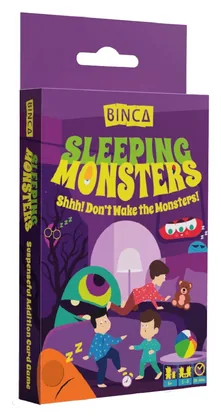
Sleeping Monsters
Sneak past dozing monsters, collect Z's and keep the noise down
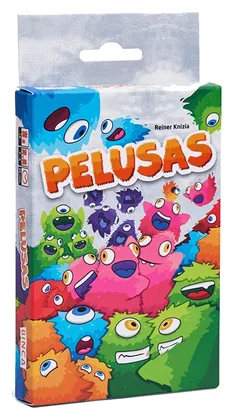
Pelusas
Keep flipping for points, but one repeated number loses the lot
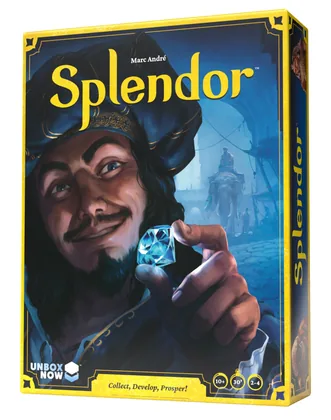
Splendor
A quick gem-trading race where every card makes the next easier.

Azul
Draft colourful tiles and build the best-scoring palace wall
Questions people ask about More or Less
How do you play More or Less?
Turn over a colour card to set the colour for the round. Players take turns placing the top pattern card into a row that should run from the least of that colour to the most. Instead of placing, a player can call Stop! to challenge the row, and the percentages on the card backs show who was right.
How do you win More or Less?
PlayHaus's web page says the first player to 3 points wins, or for a longer game, play a round for each of the 7 colours and the most points wins. One of PlayHaus's how-to-play pictures says 5 points, so check the rule card in your box and agree the target before you start.
What happens when someone calls Stop! in More or Less?
The round ends and the cards are turned over. If the percentages for the round's colour go up from left to right, every player except the challenger scores a point; if the row is wrong, only the challenger scores.
Can a five-year-old play More or Less?
PlayHaus says 5 and up. Judging how much of a colour a card holds is easy to pick up, but checking the row means reading percentages, so a grown-up may need to read them out for younger players at first.
How many players can play More or Less?
PlayHaus says 2 to 4 players. The box has 70 pattern cards, 7 colour cards and a rule card.
Game facts
- Publisher
- PlayHaus (Hangtime Games Pvt. Ltd., Bengaluru)
- In India
- Hangtime Games Pvt. Ltd. (PlayHaus), Bengaluru, which makes and sells it under the PlayHaus name
- First published
- 2026
- Players
- PlayHaus's page, FAQ and the listing title say 2 to 4 players; one row of the listing says '2 or more'. The page follows PlayHaus.
- Language
- Little reading – The pattern and colour cards have no words. Checking the row means reading the percentages on the card backs, and the rule card is in English, so a grown-up may read both out for young children; the table talk can be in any language.
- Box size and weight
- 0.15 kg
Sources & photo creditsThe references behind this guide.
Facts on this page come from the publisher, the Indian maker or distributor, and the sources below. Photos are credited under each one.