


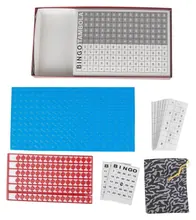

Traditional game
Housie (Tambola)
Strike off called numbers and shout first for lines and Full House
- Set-up
- About 2 min
- Reading
- None
The quick verdict
Full verdict ↓Great for Big gatherings: kitty parties, Diwali and New Year get-togethers, society functions and birthday parties
Think twice if You want strategy or skill: Housie is pure luck from the first number to the last
How we rate it
Learning curve. If you can recognise numbers up to 90, you can play. The only thing to explain is the prize patterns, which takes a couple of minutes.
Luck & skill. Entirely luck: the draw decides everything. The only skill is keeping up with the calls and claiming before someone else does.
Interaction. Everyone plays their own ticket and nobody can affect anyone else's. The fun is shared: groans, near misses and the race to shout first.
Set-up. Hand out tickets and pens, put the coins in a bag or bowl, agree the prizes and choose a caller. With a new pad of tickets there is nothing else to set up.
Reading. No words to read, only numbers from 1 to 90 on the tickets and the board.
Learning curve: 1 = UNO or Connect 4; 3 = Catan; 5 = a heavy strategy game. These describe the experience, not an overall score.
Paid link · We may earn a commission, at no extra cost to you.
Is Housie (Tambola) right for you?
Great if
- Big gatherings: kitty parties, Diwali and New Year get-togethers, society functions and birthday parties
- Mixed ages: grandparents and seven-year-olds play on exactly equal terms
- Groups that don't share a first language, since the numbers can be called in any language
- Hosts who like handing out small prizes for each line and the Full House
Skip it if
- You want strategy or skill: Housie is pure luck from the first number to the last
- There are only two or three of you; it comes alive with a crowd
- Nobody wants to be the caller, who usually doesn't play
How Housie (Tambola) plays
Housie is the 90-number version of the lotto family of games, which goes back to Italy and spread across Europe; in Britain it was traditionally called housey-housey, and in India it is known as Tambola or Housie. Indians play it at kitty parties, at Diwali and New Year parties, at housing-society and club functions and at birthday parties, usually for small cash prizes or gifts agreed before the game.
- Time to teach: about 5 minutes.
- Reading and language: Players only need to recognise the numbers 1 to 90 when they are called. The caller can call in Hindi, English or any language the group shares; the tickets carry only numbers.
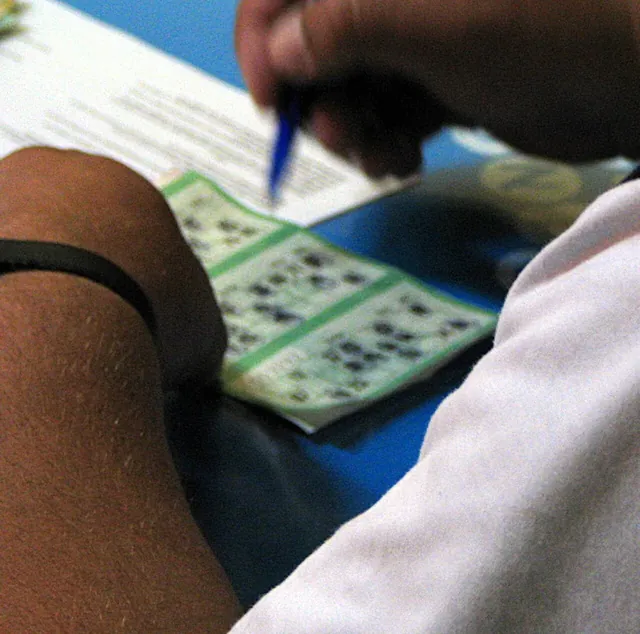
How to Play Tambola | Rules and Winning Patterns · Animation Builders
Choose a video · Watch right here
If this creator doesn’t allow embedded playback, watch on YouTube ↗.
A turn, step by step
- 1Tickets
Everyone takes one or more tickets and a pen; the caller keeps the 1 to 90 number board and the bag of number coins.
- 2Call
The caller draws a coin, calls the number (often with a rhyme) and puts it on the board. If it's on your ticket, strike it off.
- 3Claim
Shout as soon as you complete a prize: Early Five, a line or Four Corners. The caller checks your ticket against the board.
- 4Win
The game ends when someone claims Full House, with all 15 numbers on one ticket struck off.
The full explanation: how a game of Housie (Tambola) goes
Each ticket has 27 boxes in 3 rows and 9 columns. Every row has 5 numbers, so a ticket has 15 numbers, and each column holds numbers from one band of ten: 1 to 9 in the first column, 10 to 19 in the second, and so on up to 80 to 90 in the last. One person is the caller, who keeps the 1 to 90 number board and the numbered coins (or a ball cage). Everyone else takes one or more tickets and a pen.
The caller shakes the bag, draws one coin at a time, calls the number aloud and puts the coin on the number board, so every called number can be checked later. Many callers use rhymes and nicknames borrowed from British bingo: 'Kelly's eye, number one', 'legs eleven', 'two little ducks, 22', 'two fat ladies, 88' and 'top of the shop, 90'. If a called number is on your ticket, you strike it off.
As soon as your ticket completes a prize, you shout to claim it: Early Five (the first five numbers struck, often called 'Jaldi 5'), Top Line, Middle Line or Bottom Line (all five numbers in that row), Four Corners (the first and last numbers of the top and bottom rows) and Full House (all 15). The caller checks your numbers against the board. Each prize is won once, and if two people claim it on the same number the prize is usually shared; a wrong claim can put you out of the game, so check before you shout. The game ends when someone claims Full House, which usually takes 20 to 30 minutes.
Families add their own prizes, such as Pyramid, or Breakfast, Lunch and Dinner for the three column groups, and some let each player play two or three tickets. A set with 600 paper tickets is enough for about 30 games with 20 players on one ticket each; reusable tickets with sliding or push-back windows suit smaller family games. Number-caller apps and printable ticket sheets also exist, which is handy for playing over a video call. Skillmatics' Pop-Reveal Housie is a branded twist on the game that uses reusable cards instead of paper tickets.
What's in the box
- 1Number board
a board marked 1 to 90 for the caller to place called coins on - 90Number coins
black coins numbered 1 to 90 (the box says '90 Numbers') - 600Tickets
paper tickets (the box says '600 Tickets')
Read from the box-front image on Little Berry's own website and the listing title; Little Berry doesn't publish a contents list. Whether a drawing bag, pens or a rules leaflet is included isn't shown. Other sets differ: some use reusable tickets with windows or shutters, some a ball cage instead of coins, and some add a cloth pouch and a checking board.
Where to buy
Paid link · We may earn a commission, at no extra cost to you.
How to pick a good setSize, pieces and the details worth checking.
What reviewers and players say
Housie is the easy answer when a crowd gathers: anyone who knows their numbers can play, from children to grandparents, and it fits a kitty party, a Diwali evening or a society function equally well. Hosts like that it needs no skill and no explaining, and a good caller with a stock of rhymes makes it lively. The downsides are just as clear: it is pure luck, the caller usually sits out, paper tickets run out, and claims need careful checking to avoid arguments.
What people love
- Anyone who can read numbers can play, so every age joins in on equal terms
- It works for a handful of people or a whole hall, and small prizes keep everyone hooked to the end
- Callers' rhymes and nicknames for the numbers add a lot of laughter
- Almost no set-up, and a game lasts about as long as tea and snacks
Common complaints
- It is pure luck, with no decisions to make once the tickets are handed out
- Someone has to call and check claims, and usually doesn't get to play
- Paper tickets are used up, and arguments over late or wrong claims need firm rules
Based on 5 reviews and discussions
- Reference Tombola (game) · Wikipedia
- Reference Bingo (British version) · Wikipedia
- Reference List of British bingo nicknames · Wikipedia
- Reference Tambola instructions (Funskool, 2022) · Funskool
- Review Guide to hosting a memorable Diwali party at home (magicpin, October 2023) · magicpin blog
Summarised in our own words from the sources above. We don't use Amazon reviews or ratings.
More like Housie (Tambola)
Which game is the best fit?
Our picks if Housie (Tambola) isn't quite right.
Swipe to compare every game
| Compare the games.The details that make a difference. |
YOU’RE VIEWING
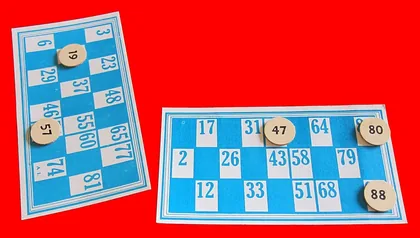 Housie (Tambola)
|
ANOTHER WAY TO PLAY
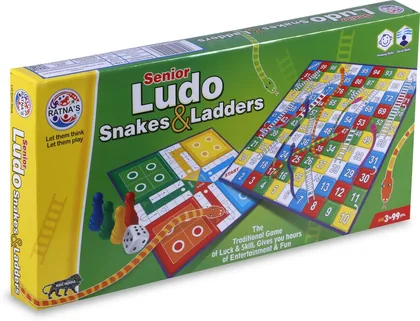 Snakes and Ladders
|
ANOTHER WAY TO PLAY
 Ludo
Ludo
|
ANOTHER WAY TO PLAY
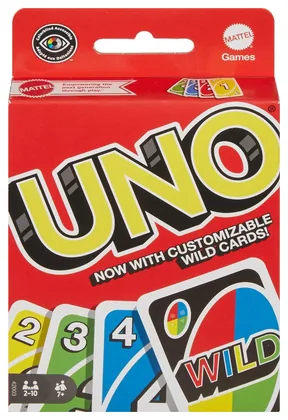 UNO
UNO
|
|---|---|---|---|---|
| Why consider it | This game Strike off called numbers and shout first for lines and Full House | A different fit Another all-luck classic where every age plays on equal terms | A different fit The other household favourite for family get-togethers | A different fit A quick card game for a big, noisy group |
| Players | 3–30 | 2–4 | 2–4 | 2–10 |
| Best with | 8-20 | 2-4 | 4 | 4-6 |
| Play time | 15–30 min | 15–30 min | 30–60 min | 10–30 min |
| Age | 7+ | 4+ | 5+ | 7+ |
| Rules | Easy | Easy | Easy | Easy |
| Indian edition | – | Available | Available | Imported |
| On this page | Explore Snakes and Ladders | Explore Ludo | Explore UNO |
More games of pure luck
Different games. A familiar kind of fun.
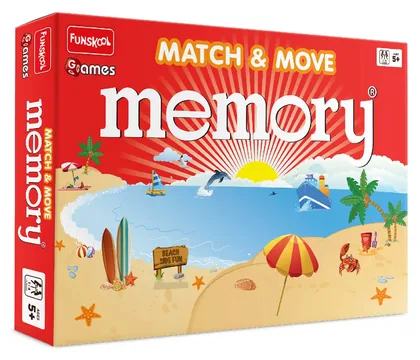
Match & Move Memory
Remember where each picture hides and race your piece home
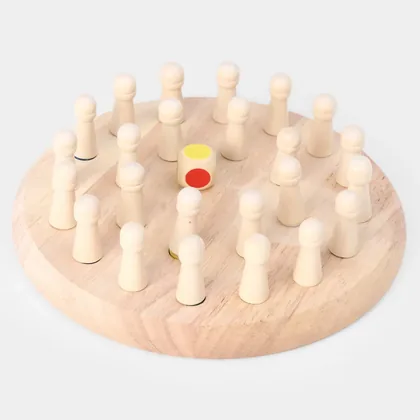
Memory Chess
Remember where the colours hide and pull out the right peg
Ludo
India's favourite race game: roll a six, cut and race home
Snakes and Ladders
Climb the ladders, dodge the snakes, first to 100 wins
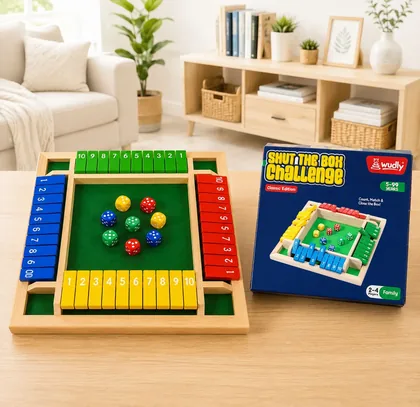
Shut the Box
Roll two dice, flip down the tiles, leave the smallest total
Also playable with two
For game nights with two players.
Match & Move Memory
Remember where each picture hides and race your piece home
Memory Chess
Remember where the colours hide and pull out the right peg
Snakes and Ladders
Climb the ladders, dodge the snakes, first to 100 wins
Shut the Box
Roll two dice, flip down the tiles, leave the smallest total
Skip-Bo
Build shared piles from 1 to 12 and empty your Stockpile first
Questions people ask about Housie (Tambola)
How many numbers are there on a Tambola ticket?
Fifteen. A ticket has 3 rows of 9 boxes, with 5 numbers in each row, and each column holds numbers from one band: 1 to 9, 10 to 19, and so on up to 80 to 90.
What are the usual prizes in Housie?
The common ones are Early Five (Jaldi 5), Top Line, Middle Line, Bottom Line, Four Corners and Full House. Groups often add others such as Pyramid, and decide the prizes, or the money for each, before the first number is called.
Is Tambola the same as Bingo?
They are cousins. Tambola or Housie is the 90-number game played in India and Britain, with 15 numbers on a 3 x 9 ticket. American Bingo uses 75 numbers and 5 x 5 cards with the letters B-I-N-G-O, so its cards won't work for Tambola.
Can we play Housie online or on a video call?
Yes. Number-caller apps and printable ticket sheets are easy to find, so one person can call numbers on the video call while everyone marks a printed or on-screen ticket. For a party in one room, a physical set with a number board is easier to check.
How many Housie tickets do we need?
One ticket per player per game, or two or three each if your group likes more chances. A set of 600 tickets covers about 30 games for 20 players on one ticket each.
Game facts
- Publisher
- Little Berry (Delhi)
- In India
- Little Berry (Burari, Delhi)
- Players
- 3–30
- Language
- Little reading – Players only need to recognise the numbers 1 to 90 when they are called. The caller can call in Hindi, English or any language the group shares; the tickets carry only numbers.
Sources & photo creditsThe references behind this guide.
Facts on this page come from the publisher, the Indian maker or distributor, and the sources below. Photos are credited under each one.
- Little Berry - Board & Family Games range (Tambola, code LB87; Housie, code LB126)
- Little Berry - Quality and compliance
- Funskool - Tambola (item 4002200)
- Funskool - Tambola instructions leaflet (2022)
- Braintastic - Portable Tambola Board Game with 600 Different Tickets
- Tombola (game) - Wikipedia
- Bingo (British version) - Wikipedia
- List of British bingo nicknames - Wikipedia
- magicpin - Guide to hosting a Diwali party at home (Tambola)
- India Briefing - BIS toy certification in India (Toys Quality Control Order)